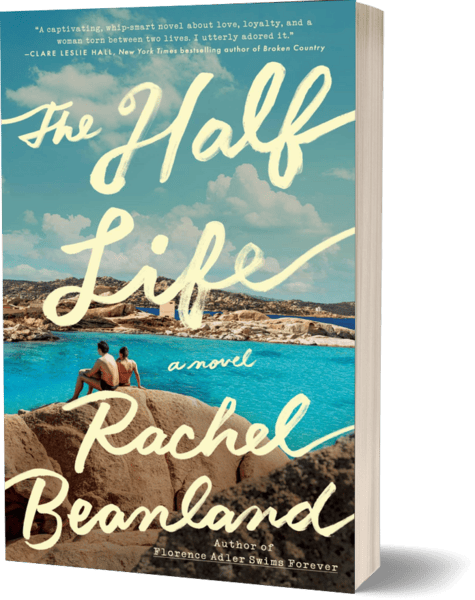
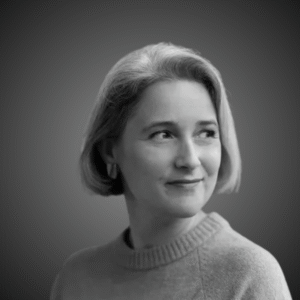
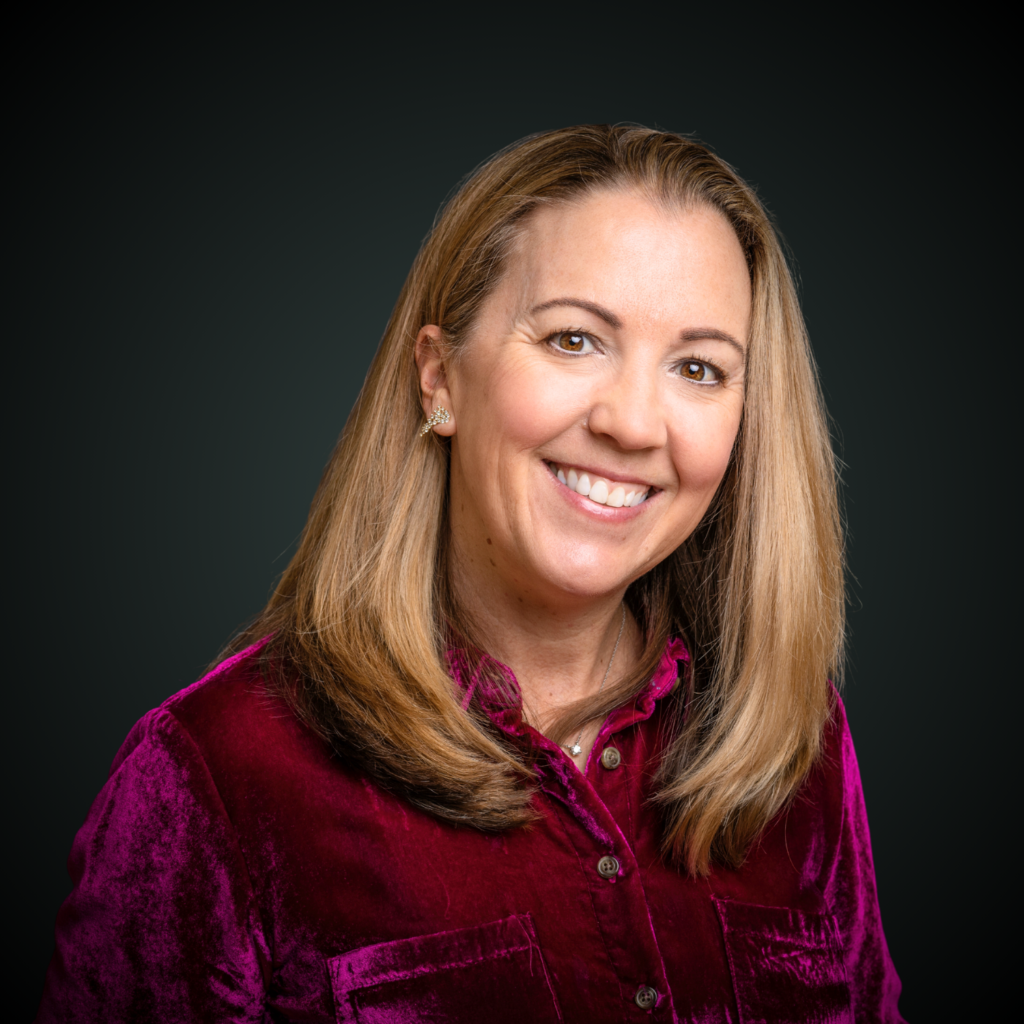
Jane: Welcome to the Jane Healey Happy Hour, the podcast that explores new and exciting novels of all genres. I’m your host, bestselling historical fiction author Jane Healey, and in today’s episode, we welcome bestselling author Rachel Beanland to discuss her latest novel, The Half Life, which Forbes Magazine called s- a sumptuous exploration of power, loyalty, and love.
Jane: Welcome, Rachel.
Rachel: Thanks for having me. So- I appreciate it …
Jane: and this beautiful cover.
Rachel: Um- I know, it is a beautiful cover …
Jane: it really is. Um, I’m gonna do a quick bio, and then I have a ton of questions, so we’ll jump right in. Um, Rachel Beanland is the author of The House Is on Fire and Florence Adler Swims Forever, which won the National Jewish Book Award for Debut Fiction.
Jane: Congratulations. She is a graduate of the University of Southern, South Carolina, and earned her MFA in creative writing from Virginia Commonwealth University. She lives with her family in Richmond, Virginia. Uh, again, welcome.
Rachel: Thank you for having me. Yeah. This is great.
Jane: Um, so I l- I loved so much s- so many aspects of this book, but, uh, I wanna start with it takes place- Um, on the Mediterranean island of La Maddalena.
Jane: Am I pronouncing that correctly?
Rachel: Yeah, y- good, good job. La Maddalena. Good
Jane: enough?
Rachel: Yeah.
Jane: Yes. In the, in the 1970s. Um, I a- I love, like, the origins of a story and, and this one is so interesting ’cause you have a very personal connection to the place. So talk about how you, your connection to this island and how you ultimately ended up writing this story.
Rachel: Yeah, sure. So I, um, actually lived on the island when I was a little girl between 1986 and 1988. So I was five years old when we moved there and seven years old when we moved away. My father was a naval officer. He had come up through subs. He was a supply officer. Um, and so in 1986 when he was kind of finishing up his tour at the Naval Supply Center in Charleston, South Carolina, one of the options was to be assigned to this, um, submarine tender, which is a, um, ship, not a submarine, but a ship that tends to submarines.
Rachel: Um, so they are equipped to repair and resupply submarines, and it’s basically like a floating, um, garage, right? Like a floating workstation for, for subs. And, um, he, at that time, a submarine tender was, uh, moored in the La Maddalena archipelago and, you know, it was a place you could, you could go. And so he took this assignment, and we had two very happy years there.
Rachel: Um, you know, I remember running around piazzas and learning to swim in crystal clear water and eating focaccia and, like, all of these great things.
Jane: Magical. Yeah.
Rachel: Yeah, it was… I mean, it was really magical. My parents loved it. They really embraced living abroad. And then we left, and we just kind of always talked about it like, “Wow, that was great.”
Rachel: And, um, it wasn’t until 2019 that I went back to the island for the first time, and I went with my own family and saw my own kids running around the same places I had run around, and it was really, again, very magical. But by that time, the Americans were not there anymore. They had left in 2008. And so I was kind of, like, looking for evidence of this community that I had known the whole time I was there, and even after I left the island, I was kind of…
Rachel: I, I couldn’t let it go. Like, I knew there was some story there, like, that there was this window of time in which Americans and Italians had been working and living side by side, and I just thought, “There’s some story here.”
Jane: Mm-hmm. Totally. Totally. So yeah, I, and I think that, um, I want you to talk about the pre- premise ’cause it’s, it’s a really, uh, kind of an obscure place and time in history, right?
Jane: Like, where the, this little island, Italians and Americans living together. Um, and in your author’s note, I like how you talked about it as this setting is like a locked room because you’re on an island and it’s these people. So, so talk about the premise and also the idea of this kind of locked room s- story.
Rachel: Yeah. So, I mean, what I, what I came to realize, you know, after I left La Maddalena in 2019, and I was kind of… I was working on The House is on Fire, my second novel, and I was kind of in the back of my mind thinking about what I might write that would be set in La Maddalena. And so I was just reading, like very casually, you know, would Google, would find articles, just kind of when I, when I had free time- Mm-hmm
Rachel: I would read about La Maddalena. And what I, what I realized was that particularly in the ’70s when, when the Americans first showed up, it was actually quite contentious. That, that they were not, um, not welcomed with open arms. I mean, particularly in Sardinia, you know, Italy’s much more regional than I think we kind of understand it to be as Americans.
Rachel: And so, you know, Sardinians, uh, especially in the ’70s, would have thought of themselves as like first and foremost Sardinians. Mm-hmm. And so to be told that Rome had decided, you know, politicians in Rome had decided that it was fine, Americans were gonna come with their nuclear-powered submarines and all was going to be well, the Sardinians are sitting there going, “Well, wait a second. We never said we wanted this.” Right. And, and the reality is that nuclear-powered submarines, you know, came with some risk, and, um, you know, it, it’s like this environmental paradise, um, in Sardinia for, you know, anyone listening who’s ever been, I mean, they know that, um, you know, now the La Maddalena archipelago is actually a national park.
Rachel: Um, but it, you know, it wasn’t in the ’70s. Um, but just a really, a really magical place and, and these, these early years had been quite contentious, and I didn’t really realize the extent to which they had been contentious as I was, of course, a small child living there in the ’80s. Um, you know, I would talk to Navy personnel and they would say, “Oh yeah, we weren’t allowed to leave the house during certain times,” or we, we’d be told that, you know, it was too busy downtown that day and we couldn’t go downtown or, you know.
Rachel: Um, and they, they were certainly avoiding the protests and, and trying to kind of stay out of, um, the, the public eye, you know, during these times. Um, but I, I really… That was all stuff that I began to uncover as I was- Mm-hmm … as I was going, you know? But for m- what the story ends up being about is this woman, Eileen O’Malley- Who is young.
Rachel: You know, she’s 23. She grew up in Charleston, South Carolina. I always say, like, this is Charleston before it became bougie, you know, 1950s and 1960s. Um, and in, it’s 1974 when the story starts. She’s in a kind of, you know, stagnant place. Like, her brother has died in Vietnam. Um, she’s moved back home with her parents.
Rachel: She’s dropped out of college. She’s working at a department store, and she’s just kind of not sure what her life is meant to amount to. And in walks Paul Archer, this handsome, charming naval officer who it turns out already has orders to La Maddalena, Italy. And so they have this whirlwind courtship. And like a lot of women who end up being Navy wives, they’ve, she’s gotta kind of figure out very quickly, “Am I gonna marry this guy, or am I gonna break up with this guy?”
Rachel: ‘Cause those are my two options, right? That if you want to follow him to Italy, you’re gonna marry him. That’s the only way that this is moving forward. And so she does. She marries him, not knowing much about him, not knowing much about being married and shows up In Italy, um, you know, with a very kind of, like, regional worldview.
Rachel: I mean, she’s, you know, barely left South Carolina. Mm-hmm. And everything, you know, it’s like being hit with fire hose. Like, she doesn’t know what she’s doing. She doesn’t know what she’s doing in terms of interacting with the Italians or figuring out Italian culture, but she also doesn’t, she doesn’t know Navy culture.
Rachel: Um, and she doesn’t know her own self. I think that’s the, the most important piece of it.
Jane: Mm-hmm, no, excellent. Yeah, I, I, um, there’s so many layers to her and her story, and, um, uh, to, to your point about, like, Navy culture, um, I mean, I think that this is a s- this is a love story, and it, it has a lot of different elements, but it’s also a friendship story, and the whole, like, Navy wife culture and, like, the friends she makes.
Jane: And talk a little bit about that ’cause y- in your notes, you also said your mom was a, obviously a Navy wife, but she wasn’t, like, a highly involved Navy wife.
Rachel: Yeah, no, my mom always says, like, she was a really bad Navy wife. Like, she didn’t like going to the potlucks. Like, she didn’t want to-
Jane: Right,
Rachel: right … be in charge of anything, you know?
Rachel: Mm-hmm. Um, I was talking to a friend’s mom the other day who was, like, the, the ultimate Navy wife and, you know, she’s talking about how she’d gone to, like, three days of ombudsman training, you know, and I’m, like, thinking, “Is this something you got paid to do?” It’s like, “No, no,” it was like other duties- Wow … as assigned.
Rachel: Like, “You’re a Navy wife. Go to this training. You’re gonna be in charge of all of these other women and making sure they have the right information.” And, um, and so yeah, my mom was, like, not about that. She was raising four kids. She wanted to take Italian lessons. She wanted to read her novels. She wanted to, like, travel and, and see something of the world, but, but she wasn’t necessarily gonna be, like, the treasurer of the officers’ wives club.
Rachel: Mm-hmm. And so I, I had her as one example, and obviously I, you know, over the years, I, I got to know a lot of her friends, and I was always the kid that wanted to, like, sit at the table and listen in to what all the moms- … were talking about. And, um, and then, you know, of course later, once I married my own husband, my mother-in-law’s an Army wife, or, you know, was an Army wife for many years.
Rachel: And so she was, like, the opposite of my mom. Like, she joined everything, and, you know- Oh, fun … she was, like, running the potlucks and organizing the, you know, phone trees and doing all this stuff. Um, and so I had these very different examples in my head of, like, what this could look like, and, and that was one of the things that I wanted Eileen to struggle with.
Rachel: I mean, ’cause, you know, so much of being a Navy wife is about putting other people in front of yourself, you know, above yourself. I mean, your, your husband’s career, your husband, your children. Mm-hmm. You’re, you know, you’re constantly- moving around and trying to, like, you know, make a life for everyone in your family.
Rachel: And so, you know, I think it’s a really hard job, and, and different women approach it differently. And so, um, I wanted to write all of those experiences into the book-
Jane: Mm-hmm. Mm-hmm …
Rachel: as Eileen kind of figures it out.
Jane: Yeah, and I was thinking about it too, like that some of them, they’re so young. Like, a l- I mean, people still get married kind of young, but people got married really young back then.
Rachel: Yeah.
Jane: Like, they got… Yeah. That, and it’s like- So young.
Rachel: And you know, but, and that was one of the things I was really interested in writing. I mean, yes, I was interested in Italian politics and the ’70s and the nuclear subs and, you know, the military and so many of, you know, different things that end up kind of at, becoming part of the book.
Rachel: But one of the things I was really interested in was just early marriage. And, you know- Mm-hmm … I got married when I was 22.
Jane: Oh, wow.
Rachel: And it’s crazy now when I think about it. I’m like, “I can’t believe, like, someone let me do this. Like, my parents-” “… thought this was a good idea.” And they, they, like, you know, paid for the wedding.
Rachel: Like- Mm-hmm … um, it seemed totally normal. But, you know, I w- I was, at the time, you know, I went to the University of South Carolina. And, you know, at that time in the early 2000s, like, I knew lots of girls who were engaged by senior year. Like, it wasn’t that big a deal. And, um, my husband was in graduate school, and it was kind of one of these things where, like, was I gonna stick around South Carolina and wait while he got a PhD, or was I gonna go off and, like, do my own thing?
Rachel: And- Mm-hmm … it just, I don’t know, it made sense. Like, if I was gonna stick around, I m- maybe should be married to him. I don’t know.
Jane: Right, right.
Rachel: And, um, and so that’s what we did. And, like, for us, it worked out, but I mean, I think part of the reason it worked out was because we ended up growing into two totally different people who still found that we liked each other at the end of the day and had something in common.
Rachel: Mm-hmm. But I think so often it, it could have easily gone the other way, and, you know, we could have looked at each other in our late 20s, early 30s and said Who are you? Mm-hmm. You know?
Jane: Right, right,
Rachel: exactly. And, um, and so I wanted to write about a marriage that takes place before these people know who they are, you know?
Rachel: And, and I was thinking a lot about my father, who had an early marriage before my mother, and, you know, it was the same deal. It was like early 20s, he didn’t know what he was doing. I’m sure she didn’t either. They ended up going up, going their separate ways. Mm-hmm. And it was like they didn’t spend a lot of time
Rachel: I mean, I can’t speak for her, but, like, I know my dad, he didn’t spend a lot of time thinking about it afterwards. Like, he moved on, he met my mom, they had a happy marriage, you know, were married until he died, um, had four beautiful kids and yeah. Yeah. Like, it takes a lot of twists and turns, you know?
Jane: It does.
Jane: And yeah, I have a couple of friends who married re- re-fairly, like around 22, 23, and it … And they’re still with their husbands and they’re like, “Well, thank God that worked out,” you know? It’s like you just never know. Yeah,
Rachel: but you start to think, like, wow, that was just a wild fluke.
Jane: Yeah, right? Like, I mean, and I was 27, and even now, like we’re 26 years married and we’re like, “Yeah,” you know, like we were engaged after six months.
Jane: We’re like, “Good thing we fig- it worked out okay.” Like.
Rachel: Right, right. Yeah. No, I mean, there’s always an element, I think no matter when you get married, there’s an element of like this is a leap of faith and like-
Jane: Totally …
Rachel: you know. Um, but, but I do think there’s something really unique about these marriages that happen literally before your brain is fully formed.
Jane: Exactly. Under 25, yeah, you’re just like- Yeah … yeah, yeah. Yeah. Not quite there. Mm-hmm. Um, I, I wanna go back to, like the research part of this, ’cause it’s so well-researched. Obviously you had a base because you lived there for two years with your family, and you have y- you know, a Navy f- grew up in a Navy family.
Jane: Um, but talk about your research. Like when you were g- you know, doing the deep dive, was there anything that surprised you or that changed the narrative in the end?
Rachel: Well, I mean There were lots of surprises. I mean, I think, like, the best thing about researching this book was that it was the first book I’ve written where the people were all, for the most part, still alive.
Rachel: Like, it would’ve been helpful if my dad had been alive. Um, you know, he died in, in 2010. Um, but there were a lot of guys who had been stationed in La Maddalena in the ’70s, and I could find them and talk to them. So that was a huge help considering that I had written one book set in 1811 Richmond, and another set in 1934 Atlantic City.
Jane: Very different. And,
Rachel: you know, I had to spend much less time in, like, dusty archives, you know- Mm-hmm … with, with this book. Um, but, you know, I mean, I guess one surprise was just how open everyone was. You know, people were excited to talk to me. They were willing to share, you know, their, their trials and tribulations.
Rachel: Not everyone had the same experience, like, living abroad, and that was one thing I wanted to capture, was, like, my mom was someone, b- particularly because she had lived abroad as a teenager, she was, like, gung ho. You know, like- Yeah … wanted to learn Italian, wanted to travel, you know, on the continent as well as, um, in Sardinia.
Rachel: Wanted, um, to just, like, squeeze every experience out of these two years that she possibly could. There were other people, you know, I talked to one guy who described his mom, like, keeping track of the days she was in La Maddalena with, with a, a bean jar, which I describe in the book, right? Like, I, I give that to one of the characters.
Rachel: Um, and you know, La Maddalena could be a really isolating place for these Americans because the island’s hard to get to on a good day. I mean, even now, you know, you fly into Olbia in Sardinia, you rent a car, you drive along the coast, you get to Palau, you take a ferry. Like, you’re remote, and back then, of course, no WhatsApp, no Zoom, no
Rachel: They didn’t even have landlines that they could use to call home or to receive a call. Um, you know, if there was a problem down at the ship, shore patrol had to come and knock on your door and say, “Hey, it’s … You gotta you gotta go back to work.” Um, so it was isolating and, and everyone kind of handled that differently.
Rachel: Um, so I think I, I loved some of the stories that just came out, up kind of organically as people were describing, like, how they coped with that. Um, you know, an example, there’s like a, a tiny little vignette in the book where, um, Eileen is talking to a woman who describes a guy who loves his wife so much he brings her a Big Mac from the United States in a cooler.
Jane: Right.
Rachel: And that’s something that you probably know as a novelist, like, we can’t- Oh … make stuff up. Like-
Jane: That’s gold, yeah. That’s-
Rachel: You know, it’s gold. But, like, that came from an interview with someone who just- Amazing … described it because-
Jane: So good …
Rachel: because, like, I just don’t ha- I am not a creative enough person- Be like, what would you want while on an, you know, isolated Italian island?
Rachel: Right. You would want a Big Mac, you know?
Jane: With all the most amazing- And it made- … food in the world.
Rachel: Uh, yeah. So, so, you know, some of those stories, that, that was the gold for sure. Yeah.
Jane: Yeah. Excellent. Um, I have some questions, uh, regarding process that I love to ask of, um, you know, and so let’s start with, you know, I ask every author that comes on, are…
Jane: what is your process? Are you a plotter? Do you plot things out? Are you a pantser? Do you just kind of sit down and, like, riff? Like, uh, what, what’s your process like?
Rachel: I’m kind of a little bit, um, in the middle. Like, I like to plot the beginning because I like to know that I’ve got a sure foundation under me.
Rachel: Mm-hmm. Um, I wanna know that I’ve got the, the ball kind of like rolling. And so I think about those first scenes, um, a good bit and, and like make sure they’re kind of structurally sound. Um, but then I don’t often know where it’s going next. I have some vision in my head of like what it’s going to be like at the end, but w- but it’s really like almost just a, an image or, you know, like, uh, there’s something I see that I’m trying to get to.
Rachel: How I get to it I have not figured out. And but I’m just kind of writing toward it. Mm-hmm. And then periodically as I’m writing, I’m almost like outlining as I go, where I say like, “Okay, I’ve written these scenes.” Yeah,
Jane: like
Rachel: right. “But how do they group together? Are they in the right place?” Yeah. You know. And so I’m, I’m doing some of like what Matt Bell talks about with like the reverse outlining.
Rachel: You know, like write a draft and then figure out what you’ve got. Right,
Jane: right.
Rachel: And then figure out what’s missing.
Jane: Mm-hmm. Um,
Rachel: I wouldn’t say I get all the way to an end, uh, the end of a draft before I’m doing some of that, but at kind of certain points along the way I’m looking back at what I have and I’m saying, “Okay, if I’ve, if I’ve done this, what, what do I still have to go?”
Jane: Right. Right. Um, do you use, um, Word or Scrivener? Or, or Google Docs?
Rachel: You know, I’ve tried Scrivener a couple different times, and every now and then… I mean, so far with each book I’ve written, I think I’ve moved into Scrivener at some point in the process, and then I move back out because I don’t- Oh I find it’s good for thinking about outlining or, like- Mm-hmm
Rachel: any kind of planning, you know, ’cause it’s like, “Okay, yeah, maybe the book does have three parts, and in those parts are these things,” you know?
Jane: Mm-hmm.
Rachel: But what inevitably happens, I find, when I’m in there, is that I… If a scene’s not going well or I don’t know what I’m doing, I… Oh, doggy’s come here. Sorry. Um, if, if a scene’s not going well, I, I move around and I go to another scene if I’m working in Scrivener.
Rachel: Mm-hmm. If I’m working in Word, I force myself to just stay in the scene I’m in, because I don’t have that flexibility to move around. Jump around. That’s really
Jane: interesting.
Rachel: Ultimately- Yeah, yeah … ultimately I find I think the book is better for me not moving around. Like I, I, I kinda like the idea of writing from beginning to end.
Rachel: So if you put me on a desert island and I could only choose one, I would choose Word.
Jane: Got it. So, so interesting. I love to hear process. Um, I also am interested in structure because, and I will not give away the spoiler, but Eileen is telling the story of her life t- to someone- Mm … and so it’s structured and that’s how it’s told from her point of view, and was that always the plan?
Jane: Is that what, what you were always thinking in terms of structure?
Rachel: Yeah. I, I always thought… So this is my first time writing in first person-
Jane: Okay …
Rachel: for a, a novel-length work, and, um, I definitely would say I’m more comfortable in third, and so first, like, took me a while to, to figure out. And what I quickly realized with writing Eileen in particular, because she’s this 23-year-old, you know, woman, and she doesn’t know what’s going on and, and she’s kind of naive in many ways, I realized that if I, um, wrote kind of a more immediate first person- She just didn’t know all these things, you know?
Jane: Right,
Rachel: right. And it was like, “Oh my God, Eileen, like, get with the program,” right?
Jane: Yeah.
Rachel: But, but once I, once I added the retrospection, which I did, you know, very, very early on as I was playing with the beginning, I realized, “Oh, this is 100% what I need,” because if she’s writing from some point in the future, and I won’t tell you when, um, she has more wisdom.
Rachel: Mm-hmm. She’s already lived the experience. She’s gotten something out of it. She, you know, she can make meaning from this period of her life and, of course, give us that meaning. Um, and it allows me to also, like, play with tension, because there are times where she can say Yeah. You know, in hindsight, I should- Yeah
Rachel: have been looking at this, but I wasn’t, you know? Yeah, yeah. And that’s kind of like a, a little clue for us, like oh, we better be looking at it.
Jane: Yeah, yeah.
Rachel: Because she wasn’t, you know? Um, and I thought- I
Jane: really liked that aspect of it for like raising stakes and tension, right? Be- ’cause like you can’t do that if you’re just writing first person and, and you know, she, they’re just there, right?
Jane: Like-
Rachel: Exactly …
Jane: like little did I know that this was gonna happen, right?
Rachel: Exactly. Exactly. Yeah,
Jane: yeah.
Rachel: So I could kind of forecast what was to come in ways that were help, you know, helpful for kind of increasing tension. And, and yes, in answer to your question, I, I did always know who she was writing to, right?
Rachel: Oh, okay. I knew that there was an en- a, a real entity that she was writing to.
Jane: Oh, fascinating. Yeah. Very cool. No spoilers. Yeah. Um, I wanna talk about, um, because I … Your historical notes in the back are fascinating, and I’m always a nerd about that stuff. Like- Mm-hmm … so what is your … How do you balance historical accuracy, historical fact versus fiction?
Jane: And like do you have certain rules you apply, or do you just kind of like feel your way along or … I, I’m, I’m, I’m … I know you mentioned in the notes about like, and I think this is really important, like sometimes you just have to simplify things for the narrative. Like y- Yeah … you could add a lot more, and then that just kind of muddies the waters or, you know, it, it just isn’t
Jane: It’s not as easy for the reader to, to, to understand and read. Yeah.
Rachel: So. I have gotten better over the years at letting go of some of the like historical nuance. Um, I remember … I mean, I would say with Florence Adler Swims Forever, there was like nothing that I deviated from, you know? I mean, I was … Because you know, I was writing the novel in my, you know, house.
Rachel: I had no agent, no editor, no anyone. It was my first novel, you know? Mm-hmm. And I’m just writing, and I was like, “Well, you know, if, if the diving horses were not diving on the Atlantic City Pier in the year 1934, then I cannot put the diving horses on the pier,” you know?
Jane: Right, right.
Rachel: I had to be that specific.
Rachel: And um, and then with The House is on Fire, there were a few times where like for plot purposes I needed like, huh, this, this newspaper article that came out two days after the fire, I really need it to come out one day after the fire. And my editor like laughed at me because I’d be like, “Carina- Do you think that I could maybe move the newspaper article publication date?
Rachel: And she’s like, “Rachel, what? Like, what is wrong with you? Like, of course you can do that, you’re writing fiction. Like-
Jane: Yes …
Rachel: who cares, you know?
Jane: I, I, but I feel this so much because I, I, even now I still have it, like, oh my God, and I… You have to remind yourself it’s a story. It’s a fictional- Yeah … story. It’s okay.
Jane: Yeah. It’s all gonna be okay. And,
Rachel: and, and at the end of the day, I wanna write the best fiction I can. I am not- Yeah … a non-fiction writer. And so with this book, with The Half Life, I gave myself the, the most permission I’ve ever given myself to move things around if I needed them moved around, and that was partly because, you know, the United States had this 36-year presence in La Maddalena, and during that time lots of interesting things happened, and I could grab some of them, right?
Rachel: Mm-hmm. And I, I wanted to be able to grab some of them. But the reality is that any one person who is stationed in La Maddalena as a military officer is only going to be there for two years. Like- Right … rarely is there an exception where someone’s there for three or four or five years. So I knew that the whole story had to take place in this two-year window, and I just said, “All right, Rachel, if you’ve got two years to work with, pack as much stuff as you want- Yeah
Rachel: in those two years and just you’ll, you’ll say that you’ll, you’ll provide the timing in your author’s note.”
Jane: Yes. Yeah. “And
Rachel: everyone will forgive you,” you know?
Jane: Yep, that’s… I know. Stephanie Dray was talking about it at a conference once, and she’s like, “Your author’s note is your best friend. That’s where you explain, uh, like, where you took license and all of the things.”
Jane: And yeah- Right … it’s so true. Right.
Rachel: Yeah,
Jane: yeah. Yeah.
Rachel: Totally. And I mean, at the end of the day people still learned more about, you know- Yeah … the US Navy’s nuclear powered submarine program in La Maddalena than they knew before. So, you know- Mm-hmm … if you’re confused about when some sub incident happened, it’ll be all right.
Jane: Exactly, exactly. Um, what has surprised you the most about your writing life since your first novel came out? Hmm. Um,
Rachel: God, what has surprised me the most? Um, God, that, that should be such an easy question. Um- It surprised me just, like, how excited people are. Like, I have a bunch of friends and supporters who are really, um, jazzed every time a novel comes out. And, like, it’s fun to… You know, as I’ve been going around the country with this book, you know, at, on different stops, it’s like I end up seeing friends and people I know from all different parts of my life.
Rachel: And I feel really lucky because I think if I hadn’t ended up becoming a novelist, I… There are people that I’ve seen at book events that I maybe never would’ve seen again, or, you know, I wouldn’t have seen them until our 50-year college reunion or something. And, and, but there’s something about being able to say, like, “Hey, you know, I’m gonna be in Charleston tomorrow night,” or, “I’m gonna be in Charlottesville the next night,” or da, you know.
Rachel: And, and people come out. Um-
Jane: Mm-hmm …
Rachel: so that’s been fun. Awesome. And, and, like, a nice surprise that, that I’m getting to connect with all these people. Um-
Jane: I love that …
Rachel: I, I’m, I’m just still surprised that I get to do this as a job. Like- Mm … you know, I, I worked, e- same for you. It’s like- Mm-hmm … I worked in PR for a lot of years while I was writing, you know, books that weren’t selling, and, like, trying to figure it all out.
Rachel: A- and I desperately wanted to be writing. Like, I wanted the kind of work that filled me up to be the work that I got paid for, and it just wasn’t the case for many years. And so the fact that I’m able to write the stuff I wanna write and that I get paid for it, it’s, like, this is amazing.
Jane: It, it really is, and I said that to my editor and agent this week.
Jane: I’m like, even on the hardest days, it’s such a gift. Like, I don’t take it for granted. It really, really is. So yeah. Yeah. I completely agree. Um, what advice do you have for writers out there about writing and getting published? ‘Cause there’s a lot of, um, r- writers, wanna-be authors who listen to the podcast.
Rachel: You know, I have a lot of different advice depending on where you are in the process. Mm-hmm. I think if you, like, haven’t finished a draft, the best thing I can tell you is to finish a draft, right? Like, that once you get to the end, you’re able to kinda look at what you have. And the editing for me has never been as overwhelming as the drafting.
Rachel: Like, there’s something about looking at a blank page that is a little scary. But once you see the shape of the story, it’s so much easier to say, “Oh, okay, I see the holes,” or, “I see what needs to be pumped up,” or whatever. So I, I think it’s like by hook or by crook, you gotta get to the end of the book.
Rachel: Mm-hmm. And then you can figure the rest of it out. And I mean, I think that’s why people say things like write every day or, you know, do retreats, or figure out, you know, a way you can wake up early every morning, or just like build in the time, because it’s all about just getting to the end of the first draft.
Rachel: I, I think- Mm-hmm … the rest of it, you’re so motivated once you get to the end of that draft that you can get through the editing process. That’s been my experience.
Jane: Yeah. I completely agree, too. I think that that’s … And, uh, and the, the first draft, uh, we’re similar in that way. Like, the, that is the hardest for me.
Jane: It’s like blood from a stone. It’s so hard. But, like, once I have that draft, it’s like, it’s not always fun, but I just really enjoy that whole process. Like, I self-edit- Yeah … and then working with my editors. I just love that part. But you’re right. Like, you can’t … If you don’t have a full manuscript, then, you know, yeah, you gotta get that first.
Jane: Yeah.
Rachel: I mean, you know, and, and we’ve all, like, worked with people before where they’re saying like, “I’m working on this amazing novel,” but they’re always on chapter two. Or, you know, and, and, like, it may be an amazing novel, but you’re never gonna know it if you don’t get to the end of the book, you know?
Jane: Right. Exactly. Yep, yep. Um, are you ready to share, uh, anything about what you’re working on next?
Rachel: Um, well, I mean, not necessarily what it is about, but I am working on something and, you know, I haven’t sold it yet, so I’m like, er. Um, but it’s… I think I’m gonna come into the present day, which is kind of exciting/scary.
Rachel: Um, I’ve always said that while, yes, I have written three books that are historical, like, I don’t necessarily think of myself as being a historical fiction writer. Like, I just think of myself as being a writer, and I wanna- Mm-hmm … be able to write whatever I’m excited about. And so this is gonna be the test case.
Jane: Yeah. Oh, that’s exciting, though. That’s cool. You’re pivoting. That’s awesome.
Rachel: Yeah. I mean- Yeah … but I don’t even think of it as a pivot because it’s like, no, it’s just the next book. And then-
Jane: Right, right. Yeah …
Rachel: and then who knows? Like, book five might be b- back to historical. I have no idea. Like-
Jane: Right …
Rachel: I just wanna write the books that I wanna write, and, um, I don’t wanna think about the ways that they kind of get marketed or- Mm-hmm
Rachel: uh, targeted to people.
Jane: Yeah, and I think that, like you, I, I, you know, I’ve talked to enough authors on this. Like, you have to be, you know, excited and passionate about whatever that thing is that you’re gonna write about, or else, you know, readers can tell. Like, you have to, you have to kinda go where the energy is, right?
Jane: So yeah.
Rachel: Right. And yeah, and I’m just like, I have all these really weird disparate interests and, and probably part of it is because I was raised as a military kid and moved around a ton and, you know, just I’m, I’m this total hodgepodge. And so I think it makes sense that I’m gonna write about whatever moves me.
Jane: Absolutely. Um, what is the best way… I know you mentioned you were- you’ve been on tour. What’s the best way for readers to stay in touch with you, to find out about what events you have coming up, all that stuff?
Rachel: I’m definitely the most active on Instagram. Okay. Um, everything that I post on Instagram ends up getting sent to Facebook too, so you can find me on Facebook too.
Rachel: But my, I’m, I’m a little slower on direct messages on Facebook, ’cause I- Yeah … can never find them.
Jane: Um- I, I know, they disappear But- Yeah
Rachel: And then my website’s always good. It’s just rachelbeanland.com.
Jane: Awesome. Well, this was lovely. Thank you so much for taking the time. Um, that’s a wrap. Um, again, the novel is The Half Life, available now wherever books are sold.
Jane: It’s a beautiful cover. And congratulations, um, my latest is The Women of Arlington Hall. More soon on book six for me. And remember to subscribe to my YouTube channel or follow me wherever you listen to podcasts. Thanks again, Rachel. Thank you so much, and thank you everyone for listening.
Rachel: Thank you so much.