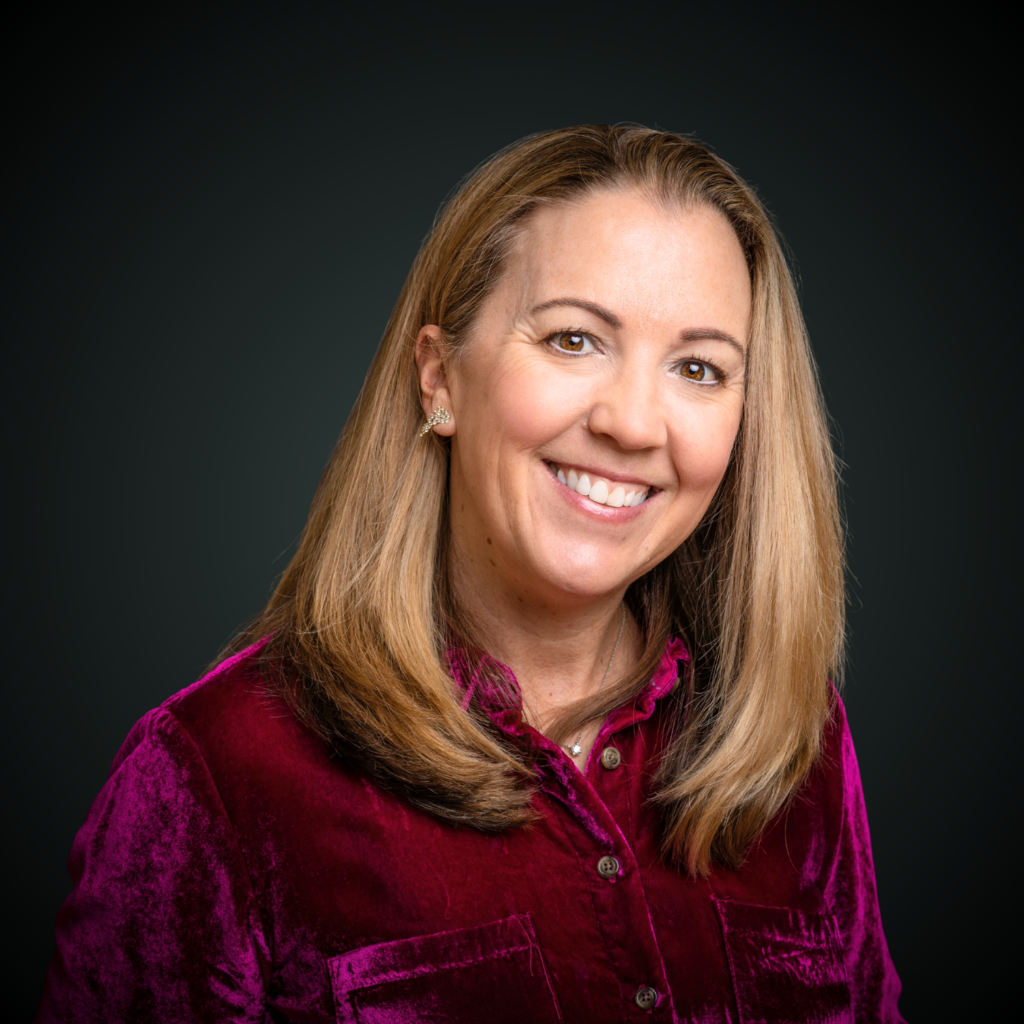
[00:00:01] Jane: Welcome to the newly branded Jane Healey. Happy Hour, formerly historical Happy Hour, the podcast that explores new and exciting fiction novels of all genres. I’m your host. Jane Healey, and in today’s episode, we welcome New York Times bestselling author, Jenna Bloom, friend and neighbor to discuss her latest novel, the Romantic Thriller, murder Your Darlings, which I loved, and it has been described as a witty, captivating tale of love, death, and revenge.
Welcome, Jenna, again,
[00:00:32] Jenna: thank you so much for having me. It’s so good to see you. My historical fiction, and now fiction of all genres, sister.
[00:00:39] Jane: Yes, absolutely. So I’m gonna do a bio a quick bio about you and then ju jump in with questions. If anyone has questions for Jenna, I will take them at the end, but you can put them in the chat or the q and a whenever.
So Jenna Bloom is the New York Times and number one internationally bestselling author of the novels, those who save us, the Storm Chasers and the Lost Family memoir, Woodrow on the Bench, the audio course, the author at work, and the original podcast, the Key of Love. Jenna is CEO and co-founder of the online in author interview platform, a Mighty Blaze and one of oprah.com reader’s, top 30 women writers.
Jenna earned her, earned her MA in creative writing at BU, and has taught workshops at bu, grub Street Writers, a Mighty Blaze, and numerous other institutions for over 25 years. She’s a professional public speaker, traveling nationally and internationally. To speak about her work, and she’s based in Boston, in Back Bay, and we, we are both like stuck in the blizzard tonight.
It’s crazy.
[00:01:38] Jenna: I’m very impressed that we both have power and especially I’m in downtown Boston. Our wires are all underground, but I am still grateful that we’re able to have power and wifi. Like you never know.
[00:01:48] Jane: You never know. I was worried tonight too, but, but we’re here, so this is awesome. Um, I was just saying before we got on.
This is the fifth anniversary for me of historical happy hour and I decided to pivot to so I could really talk to authors of all genres. ’cause I love all genres. And so I thought you would be the perfect first guest because you’re bestselling, historical fiction author, but now you’ve pivoted. With this thriller, uh, which is so freaking impressive.
Talk about, this is a two part question. Talk about the premise of this novel and then how you ended up taking your writing career in this new direction.
[00:02:25] Jenna: Okay, great. Yeah, thank you. And thanks again for having me and thank you for watching everybody. I love seeing everybody in the chat and where you’re from.
Hopefully you’re not all buried in the snow. Um, although it’s a great snow book to read ’cause there is a blizzard in it. Spoiler, not spoiler. Um, so anyway, so murder your darlings. The elevator pitch is, it’s about a mid-career female novelist. Hmm. Who’s pivoting from writing historical fiction to writing a thriller.
Funny how that happens. Um, and her name is Sam Ver and when we first meet her, Sam is coming off her tour for her fourth novel and sales have been a little soft and she’s on contract for her fifth novel, which she hates dreads and despises ’cause she’s totally blocked. And as she comes off her tour, she shocks herself by thinking I would give this all up if I could just find somebody to spend my life with.
She’s a year out of a divorce and she’s feeling really lonely and vulnerable. As she’s thinking this into her dms slides, stratospheric successful, uber charming, super sexy male novelist, William Corwin, who asks her out to dinner when he’s on tour with his fifth novel. And Sam is like, who is this guy?
What does he want? He’s so much more powerful than I am. Does he just wanna get into my pants? And then she thinks, I hope so. So she goes out to dinner with William. They have great chemistry, they have great literary empathy. They start a romance and as they get more involved, bodies start to pile up around them.
And Sam, who’s from a trauma background and doesn’t really trust her own instincts, has to question, is William everything he seems, can he really be all that? And a bag of Gyps? Or are the murders being caused by one of his numerous female stalkers, including a very determined and criminal bookseller stalker named the rabbit.
So darlings is told from the point of view of Sam and William and. The rabbit and everybody is behaving badly. So to just that’s the short answer to what the book is about. And to just say like how I ended up writing a thriller. I did not intend to start writing a thriller. I was working obediently on historical fiction that was going poorly.
Something like my main character and the idea for this book crept up behind me. And I just thought, oh, I, I just don’t have the chops to do this. I don’t know if I can manage the plot, and so on and so forth. And while I was. Thinking about it. I read the Plot by Jean Hemp Correlates, which is also about the publishing industry, and it’s a thriller.
And Jean writes literary fiction. And then she wrote this thriller. So I thought, wait a minute, if Jean can do it, can I not do it? So I stopped her. I called her.
[00:05:08] Jane: I saw that in you notes. I’m like, that’s awesome.
[00:05:11] Jenna: I, you know, I highly recommend, I highly recommend a small amount of stalking. I called her, got her number from a mutual friend and said, did you get pushback when you switched genres?
And Jean, who’s a little salty said. I just write what I write and other people market it. You should write what you want. And I was like, great, I will. And if it doesn’t work out, it’s jean’s fault. So I wrote a hundred pages of darlings and sent it to my agent, who mercifully loved it, sent it to my editor, who also loved it.
And Viola as my sister was I. Now we have this thriller.
[00:05:41] Jane: Amazing. I love books about the book world and the literary world ’cause it’s like such inside, so much inside baseball. But, and yet I think anyone would in, in would love this book. So you talk about how this is first and foremost a love letter to the book industry and this weird and wonderful writing life.
Was there something in the, in the real literary life for you that sparked. This idea, like, was there a book, you know, a book group, a writing group, a bookstore? Like was there something that you’re like, oh, you know, I, I, I, I wanna write a murder mystery here in this world. I
[00:06:14] Jenna: mean, I always knew, and there’s like a sort of a, a two part answer to that question, and part of it is.
That there’s a, a dark, sort of tender heart to the book that’s really about codependency and narcissism, because without giving anything away, Sam is a codependent, meaning she gives too much at the expense of her own life. And she knows this, like she’s in a codependency group for goodness sake. Um, trying not to make the same mistakes over and over.
And William, not to give too much away is a narcissist in the textbook sense. And he takes and takes and takes too much. Although he would be the first to tell you. I’m a giver, which is what he says to everybody. And the two of them, when you put a codependent together with a narcissist, it makes it sort of a perfectly awful dance.
[00:06:57] Jane: Mm-hmm.
[00:06:58] Jenna: And when you’re in it, you keep re-upping and every time you re-up it gets worse and worse. So I really wanted to write about that. And I knew all along that I was gonna be writing about a codependent and a narcissist. Mm-hmm. But the writing life in the book, people often ask like, are you in any of your characters?
Sam’s writing Life is a thousand percent mine. Like a thousand. She is me. Oh really? Basically, she’s just an Erie. Um, although the plot that happens to her did not happen to me, like her writing life is so exactly my writing life that. On a different podcast. Somebody looked over my shoulder when I was in my living room and said, is that Sam ER’s fireplace?
And I was like, oh my God, I forgot I put my fireplace in the book. So my apartment’s in it. My study, my agent, my editor, my writing workshop chapter 14, A Cocktail of Novelists. All of those people are real and they all chose their own character names. Like every, oh, that’s cool. To the cheeseburger I eat after every event from room service.
Like all of that is in the book. So if you guys wanna know what it’s really like to be a writer, or at least to be me as a writer from, you know, childhood to now, you can just read the book and I hope you like it.
[00:08:04] Jane: Oh yeah. I recognize of course some of the, because when you were describing the apartment, I’m like, I don’t think that’s Jenna’s apartment.
And it’s like a love letter to New England too. ’cause you have all these wonderful New England spots in the book. Um, we’ll get to the, the island in Maine. So that your explanation about the. The toxic relationship at the center of the story is a good segue ’cause I, I wanna talk a little bit about these characters and, you know, here’s Sam.
She falls for the narcissistic William. And something that you put in, in your notes that I thought was so true it, she’s in this toxic, romantic relationship. It’s something in us that makes us chase romantic relationships to the point of losing our own identity. And as a woman, we’ve either done this or of a friend who’s done this and ugh you know, and it’s, every woman I know could relate to this story on some level.
Um, so talk about like how you went down that path with Sam, how you decided to write about that aspect of her.
[00:08:58] Jenna: Yeah, absolutely. And I hope that people aren’t kind of rolling their eyes about it, but if you are, it’s out of exasperation with yourself or with somebody else who keeps putting her or his hand on the hot stove of loving somebody that you know is not behaving well.
And yes. I think the worst position to be in, and I have been in this position, I’ve also, I should say, had very healthy and lovely relationships, but I have been in a couple of relationships that made me ask why do I still do this? Why am I still with this person when this person is not treating me honorably and well, hello?
Right?
[00:09:30] Jane: Yeah.
[00:09:30] Jenna: And then people are saying to me, you know. He’s not treating you honorably and well, and I’m saying like Carrie Fisher in when Harry met Sally, you’re right, you’re right. I know you’re right. And then you keep doing it and you keep opening the door and going in the dark basement. Like why?
And what I found so fascinating about that is my life, knock on wood, wood is pretty stable. Like I have great friends. I have a career. I have a terrific dog. You know, like I, I. Blessed with health, like, thank God. And yet when it came to these relationships, when the person was behaving badly, I did double down.
Mm-hmm. Instead of being, you know what, no, I’m just gonna go find somebody who treats me better. And instead I was like, but what about the life you promised me though? What about waking up together and having raspberries from your garden and coffee? You know? So, um. It. It is what I learned later part of something called the narcissistic abuse cycle.
That is a very deliberate thing, whether the narcissist knows it or not. What a narcissist will do is play that game with you, that William plays with Sam in the book. The What If Game, which is. What if we have this life together, what if we’re together and we’re no longer lonely? What if we hold the keys to each other’s prisons of solitude, which is what William actually says.
And when he starts to pull away, Sam is I’m not only losing the person, I’m losing this co-created life that I really started to believe in. And she really doubles down. I wanted to write about that because I didn’t like myself in those relationships, and I wanted to ask through the book, can you get out of that pattern once you recognize it?
And if so, what does it cost to get out?
[00:11:07] Jane: Mm-hmm.
[00:11:08] Jenna: So that’s,
[00:11:09] Jane: yeah, it’s so, such a rich topic. ’cause like I said, I feel like every woman can identify with it. Themselves or with friends or family? My daughter, my older daughter’s, 22. She’s in the dating world. We talk about this a lot, about like being careful of not getting in these patterns with people that you date because it can so easily happen to the most intelligent people in the world.
You know? It’s, it’s so, it’s such a rich topic and I loved how you told it, um, from three perspectives here too. You told it from the rabbit. We won’t give any spoilers there. And then from Williams, part of the book is from Williams’ perspective. A lot of the book is from Sam’s perspective. Was that something you always planned to do?
The three perspectives?
[00:11:50] Jenna: No, not at all. So I had an outline for the book that remained pretty much the same. I always know the last scene of my books. I almost always know the last line. And then it’s just a matter of elbowing my way across the literary desert, pages to get to that last line. So the plot remained pretty much the same from my original outline to what you read in the novel, but the narrator was always supposed to be Sam.
Earn me. ’cause that was like easiest. And I really wanted to unpack my writing life and give it to readers. And also this relationship with William. And then, um, one day I was lying around feeling kind of sorry for myself, the way writers do sometimes. And I thought, what if. One of the stalkers in the book had a voice because I knew that there would be women stalking William, who is so charming and then dumps people, and then that those stalkers would also be following Sam.
So I got up, went into my study and wrote what became the prologue of the book without any changes, and that was the rabbit. Her first person voice is totally not my voice. Um, came out of nowhere and it was like sticking my hands. Socket and I thought, oh my God, I really, I have something here. Okay. She wants to tell her story.
So then I thought, okay, now I have something like the affair where you see an event from Sam’s point of view and then the rabbit comments and Sam the rabbit, Sam Rabbit, fine. Great. Then I got to part two and William. Stepped onto the stage and said, greetings and adorations. It is I, it’s sexy. William Corwin here to tell you what’s really going on in my world.
And I was like, oh Jesus. Now William wants to tell her too. So I called my editor and said, William wants to narrate the second part of the book. Do you have objections? And she said, no. I think it’s very smart. And the reason is. When we see William, part of us is like, oh my God, come on. But part is sucked in by like, he’s very charming, he’s very funny, he’s very smart.
He owns his own island for god’s sake, called William Island because of course it is, of course. Um, and it’s like this great exterior, but when you pull back the William Curtain and see what’s really going on in the William ecosystem and why he does what he does. You realize going into the final part of the book, which again belongs to Sam and the Rabbit, that Sam is in danger from a number of different directions and you don’t know how she’s gonna get out of it.
Whew. That’s the short answer to why there are three people narrating this book. But I will say that I love the rabbit, and I never had so much fun in my life as I did writing the William character from his point of view. It was,
[00:14:20] Jane: oh yeah, he’s like, so over the top. Loathsome at the same time, like, yeah, so, so good.
And I love the Sears sticker suits, like the, all the little details. Yeah. So speaking of that, so the research, I mean, you’ve written historical research, like how painstaking that can be. And so this research must have been so much, like, so different and probably fun, I imagine, like something just completely fresh.
I know you, you did researched malignant narcissism. What other research did you have to do for this one?
[00:14:51] Jenna: Only like 50 years of being a writer. That was pretty much it. I hate to do this, Jane. ’cause we know we love our historical fiction and I do. And I’m very scrupulous when I research historical fiction because, and very meticulous about it because it’s.
Based on people’s real lives, like the foundation for your story is people’s actual memories and experiences, and I want to be very respectful of that. Mm-hmm. This is just like, I just get to put my whole life on the table, like, here’s my MFA program, here’s my editor, here’s my writing group, here’s my writer’s block, here’s how I got onto the bestseller list against all odds.
You know, like all of that stuff was stuff that I had. Owned and learned. And the only research I did was into malignant narcissism, which is how I read that things that had happened to me were actually a, a pattern of behavior, which honestly made me feel much better that it wasn’t just something that I stupidly had participated in.
That’s part of a malignant narcissistic pattern. Um, and the other thing is I did some research with the rabbit because. I don’t know how somebody might get into somebody else’s apartment and, or like a closet in a locked apartment. You know, I didn’t know how somebody might like send somebody a toxic email and like cover her tracks.
I don’t know how police break into a locked apartment, so now like every person who writes thrillers, my search history looks very suspect.
[00:16:16] Jane: That’s funny. Yeah, so some, some, another author, another the thriller author. I remember reading an interview and they’re like, they’re like, oh my gosh, I would be in such trouble if people saw my search history.
So that’s great. So William lives on a remote island in Maine. My parents have a little cottage on a remote island in Maine, although that one you have to take a ferry. This is different. So, it has shades of the shining. I love the idea of like this hard to escape remote place. Like what made you come up with that?
Have, is it somewhere based in, on your life that you’ve been, or just, you know, you just thought it would be a great setting for, for a thriller.
[00:16:52] Jenna: Yes, both of those things, I could just give you the short answer and say yes, but, um, there’s no actual William Island in my mind that I have been to, but I really wanted to do something called the destination thriller.
So when you put characters in a remote location and they can’t escape for whatever reason, you’re really raising the stakes because all the danger is condensed. So I knew that I was writing toward that in the final act of the book that Sam and I won’t. This is not a spoiler. Sam and William are both at William’s house on William Island.
And then unbeknownst to either of them, the rabbit also is in William’s house in a room behind the water heater. A little tiny storage room that William has forgotten about that the rabbit calls the rabbit hole. And she’s trying to, she’s living there with them and trying to drive Sam away from William.
And I had such a delightful time coming up with that. And honestly, it’s based on my friend’s Chuck’s house in Maine, um, which is not on an island, but it is in a rural area in Maine. And when I was writing the book, he has a lot of writing retreats. Um, he’s in my writing. Workshop that I teach. And then he kindly hosts some of us there a couple times a year.
And so I was writing part of the book there and I was in his basement looking for something, not a rabbit. And I was like, oh my gosh, this would be such a great place for a character to hide. And maybe I can put the rabbit in the house with the other two characters. In Act three of the book. So I did.
And so William’s house owes a lot to Chuck’s house. The lake that Chuck lives on has an island right in the middle of it that I would paddleboard to that I started calling William Island and it was, it was much smaller than the island in the book, but it had like a tiny house on it that I was obsessed with, and I will not spoil it for anybody by saying that the final third of the book, there is a blizzard in it.
So I feel like it’s. Super meta for people who reading the book right now. Totally. Like I wanted to kind of go out and do like a TikTok in the snow today with the book being like, ah.
[00:18:40] Jane: Oh, funny. I, I wanna talk about too, so this is like thriller suspense, but you, it’s also a couple people, a couple of your blurbs described it as wickedly, twisted and crack you up while you’re checking under the bed, which I thought that was such a great description.
Like, how did you, des, how did you strength the balance between humor and suspense because you did it so well, and especially like, I love all the like. Jokes about the literary world and you know, just like, and, and like the plots and themes of, of books that you came up with within that world. It was, it was great.
So how did you, how’d you do that? How’d you try to balance that? No,
[00:19:16] Jenna: thank you for saying that. There’s a quote, okay. Where it’s like, I actually have quotes like pinned on my lamp. The Boston Herald guy said that the book was hysterically funny and gruesome, and I’m like, oh my God, that’s exactly what I’m going for.
Thank you so much. And somebody else had called William Deliciously vile, which I kind of wanna make into a tramp stamp. So my twist.
I thought the book was funny and I have always, when I’ve been writing, I’ve been writing about very serious dark things like World War ii, like, you’re really not gonna make too many jokes about that time period. It just doesn’t lend itself well to that. And my memoir was about my very old black lab and the last seven months of his life.
So it was kind of heartwarming, but also really sad. And then I would go out. And do speaking engagements. And people would say, why don’t you write something funny? Because you’re like a standup, and what? Why can’t you translate this? And I thought, okay, well, I will try. So when I was writing darlings, I literally snort laughed.
Every time I put my hands on the keyboard, I’d be writing something just absurd. You know, like Sam is trying to write. Horrible fifth novel about her Norwegian ancestor being in the gold rush, and she’s false starting on it. And I was replicating the false starts, and they sound like something from my own life, but she’s like, Ollie Nielsen came from the old country on a ship, on a boat, on a.
Freaking jet ski, like, kill me. So, I mean, this is kind of like what it’s like. And so,
[00:20:40] Jane: yes.
[00:20:40] Jenna: You know, I thought the whole thing was funny. I think the rabbit is really funny because she speaks truth to power, even though she’s really scary. She’s the person who’s gonna come into your kitchen and be like, oh my God, this freaking guy.
You know? Mm-hmm. The actual and then William, I thought was hilarious because he thinks he’s wonderful and then everybody around him perceives him differently from the way he thinks he is. So. I hope readers think it’s funny, but um. I had contrived the plot very carefully to hopefully keep it suspenseful and then just layered on everything that I thought was a hoot on top of it.
So that’s I guess the answer.
[00:21:16] Jane: Yeah. No, no, no. That’s great. And actually, I, the next, I have some writing questions and like kind of writing life questions next. And then everyone who has questions for Jenna, please put them in the chat or the q and a. Um, so to that point, like, so what is your, you just said you plotted it out, so you’re, I I always ask, are you a plotter?
Are you a pants? So youre, were really thoughtful about the plot. What is your process overall, your writing process?
[00:21:41] Jenna: Yeah. My process is always to plot things out. As I said, I always know the last line of a book before I write it. I have container store brain, and as such, I’m sort of anxious if I don’t have a plan or a blueprint to get to that last line.
So I write it out by hand, like list by, it’s, it’s basically a list of scenes divided into chapters, and I stick it on my wall in my study. And, um, like I type it up and put it on the wall, and then as I go, I either check off the scene if it’s written and it was okay, or I cross it out and suggest an alternative if the scene is stupid.
Um, and that’s pretty much how I do it. So people who think, oh, an outline’s very constraining, have not seen my outlines because I usually have 11 outlines per book. Like Darlings was a bit of a outlier because. I had plotted it pretty tightly before I started writing it. I knew that writing a thriller would require some twists, like at the end of act one, end of act two, and then a big reveal at the end.
And it gave me some marks to hit like actress on a stage. And so, um, I plotted this one a little more intricately than I plotted other. Fiction and the thriller tropes and the thriller genre helped with the plotting. But if I were a panther, oh my god, I would be in an institution because I just could not, like, the anxiety of not knowing where I’m going would freak me out.
[00:23:00] Jane: Same. Yeah, absolutely. So Sam hates first drafts, but loves the rest of the novel writing process, which is also me. And so I’m guessing that might also be you, if you’re talking me since it was in, since she is a version of you. So, absolutely.
[00:23:15] Jenna: Oh my God, I have to, I used to, um, when I first started writing, not when I first, I started writing when I was four, but when I, um, so I wasn’t smoking then, but when I.
Started writing kind of professionally. I was like 16 and I could sit down in a chair and smoke and then be like, I am an and it’s so wonderful, blah, blah. But like ever since I quit smoking, it’s really hard to make myself sit in the chair and write something that is a mess. And so yes, like you and like Sam, I hate that spatter of the first draft.
I don’t feel like, oh my God, divine inspiration, except with the rabbit. I’m just trying to write a workable. Scene and to make myself have some fun. And I will say, I hope I never write anything again. That’s not funny. ’cause I, it was much less, um, painful to write something that was amusing. Yeah. But what I do at the end of the day when I’m done writing is I email myself the scene that I’ve been working on and I read it in bed at night, even though you’re not supposed to be on your phone.
And it does two things. The first is it, it helps me realize that. No matter how the scene turned out, something exists that did not exist that morning, and I created it. And that is kind of amazing. Like I’m always kind of curious like, how did that go? How did this scene turn out? And I also wake up with it in my head the next morning.
So if the scene didn’t quite work out overnight, my brain is kind of chomping on it. And so that’s how I reward myself for getting through that messy first draft.
[00:24:37] Jane: Oh, that’s a great idea. ‘Cause I, I am a big, like, I’ve realized over the years that like the subconscious, like whether you’re falling asleep or in the shower or, or going for a walk like that is oh, just froze.
Sorry. But yeah, that part of the writing process is so, is so important as well. So that’s great. So you’re an experienced writing teacher. What is the biggest challenge that new writers face and how do you help them through it?
[00:25:03] Jenna: Oof. I think the same challenge that I face often as a novelist, which is that structure, like people really have a hard time finding the plot to like that container to put their story in.
And it is beveling like, you know this, it doesn’t always do what you want it to do. Or you think, how am I gonna get the characters from point L to. O not point A to point Z like sometimes. Mm-hmm. I just think this, I just don’t have any action here that’s gonna keep the reader invested. And so my experience as a, as a novel teacher in particular, is that if there’s trouble with a book, it’s usually not on the sentence level or the language level.
People tend to be. Talented, it’s on the plot level and we all need help with that plot and that structure sometimes. So, that’s when I think it helps to have a community to kick ideas around with. And that’s basically what a writing workshop I believe should be.
[00:25:55] Jane: Yeah, to totally agree. I think I always say I, I would’ve saved myself a lot of, like drafts and tears if I had figured out the importance of plot and structure like.
When I started this whole thing. So I think that’s such good advice. And to that point too, we, so we have a lot of aspiring authors and writers in the audience. What’s the best advice you can give them about writing and getting published? I realize that’s a two part question.
[00:26:20] Jenna: Oh yeah. That is a two part, I think loaded.
I mean, yeah, a little bit. I think there, um, the reason it’s a two part question is that thinking about writing and thinking about publishing. Simultaneously is a very bad idea because on the one hand you have the writing, which is hard enough and hopefully connects you with a source of joy or amusement or fun or a topic that you love, like something that you find obsesses you and keeps you motivated.
Even on days when the writing might not be going that well. Like you have to remember what you love about it and it might be helpful to like write that down and put it on your laptop or on your wall, or. On your eyelids or something so that you can always see it. And then the publishing is a different thing.
It is a business venture that you undertake when you are done with your writing or when you’re seeking to revise a manuscript and saying, how can I make this better so I can get it to market? And then you have to be a little cold hearted in evaluating your own work and finding other people to give you professional feedback so that you can then reshape what you have.
Mm-hmm. Found the joy in writing and hopefully place it. Um, and I think the thing about publishing, which is an increasingly competitive and shrinking niche thing I feel and yet people still always want story, is that you really have to be determined and you have to, every time somebody tells you no, say thank you, you’re wrong, and then just keep going on your way and keep knocking on all the doors until you find the one that opens.
[00:27:47] Jane: Excellent advice on, on both fronts. I’m gonna ask you a couple more questions and then we have some questions from the audience. I wanna, I wanna allow some time for that. So, you, this is a question you submitted. What is the craziest thing you’ve ever experienced as an author?
[00:28:02] Jenna: Isn’t it this question?
[00:28:03] Jane: Yes. Or maybe your publicist did.
[00:28:06] Jenna: She must have done that because I was like, I know I have writing amnesia, but I don’t know if I, okay. What is the, what is the craziest thing I’ve ever done as an author?
[00:28:13] Jane: Uh, that you’ve experienced as an author?
[00:28:15] Jenna: Oh, experienced as an author.
I know that question. ’cause then I have the answer to it, I mean. The craziest thing I’ve probably ever done is like method research. When I was writing historical fiction, I would dress like my characters before I started to write. So from my first novel, which is from the point of view of a German woman during World War II who worked in a bakery, I had this like German bakers out.
Fit that amazing good skirt and journal, you know, and braids and clogs. And then I would go like John Cheever into my office and hook great Halloween costume for like three years while I was working on those who save us. But I think one of the crazy things. To experience as a writer is the other side of the spectrum that we were just talking about, which is like, once you’ve been published and you’ve gone through the looking glass and your thing that you made in your head, in your study by yourself with these characters, other people know about it.
And sometimes you get like writer perks. And my very, very favorite thing, it’s so weird, I just posted this on Instagram like a, a week and a half ago, I was in Indiana. On tour and I was in this huge library and I was going to my event and the organizer smuggled me through the library kitchen ’cause there were a lot of people waiting and she didn’t want me to talk to anybody before, before I like did the event.
And I love to be smuggled through. Nice space, like I’m a rock star because as a writer, that is the weirdest thing you will ever experience. It’s like being treated like a celebrity, but you’re a writer,
[00:29:49] Jane: like a gr like a green room. That’s pretty, yeah, it’s pretty cool. Yeah.
[00:29:52] Jenna: Well I was like, oh my God, I’m so important for like 30 seconds in my own mind, but it That’s right.
Really fun. It’s really fun.
[00:29:59] Jane: You take it when you can get it.
[00:30:00] Jenna: Exactly.
[00:30:01] Jane: Um, how can readers best stay in touch with you and then I’ll take some of these great questions that have come in so.
[00:30:06] Jenna: Great. Yeah, everywhere. I love hearing from readers. It is my jam. You can stay in touch with me every single way. You can, um, find me through my website, which is jenna blum.com.
There’s a contact link that goes directly to my personal email. I try to answer all emails quickly. Um, I’m also on Facebook as Jenna Blum and I’m on Instagram as Jenna Blum, and I’m on Twitter, which I never go to anymore. And I’m on TikTok, which I rarely look at. And I’m on Substack, which is where everybody went.
Oh, okay. Twitter.
[00:30:31] Jane: Yes. So,
[00:30:32] Jenna: um, but if you write to me, I will write back just sometimes I forget to check Instagram dm and also I forget to check Facebook Messenger so bad, right? Or bad, but I mean, everywhere on social and my own website, you can come and find me.
[00:30:45] Jane: Excellent. Excellent. Okay, so Ann-Marie er has a question that I was gonna ask anyway.
So would you write another thriller? Are you working on another thriller? Like what’s next?
[00:30:55] Jenna: I would so true to form, I have two book ideas in my head at the same time. And one is a World War II novel, of course. Um, ’cause I think I just have programmed that. Then one is a thriller that as I am kind of flying around the country and I’m still technically on tour, like tonight I’m in Boston, but I’m leaving again on Wednesday.
I’ll be on tour till June.
Um, by the time I’m done, I hope to know what idea I’m working on, but I have this thriller idea that as I’m like on planes or like running through airports or whatever, like it’s kind of coalescing in this, in this interesting way that. You had mentioned the subconscious before, it doesn’t really seem to have a lot to do with me.
It’s like I literally will be like standing in line at a Starbucks in an airport and be like, oh, what if this character does this? You know? So I know that something’s going on with the switchboard up there. I would love to write more thrillers. I actually have like three thriller ideas, but I have one that seems to be pressing to the head of the line.
[00:31:46] Jane: Excellent. Very cool. So, um, another question, Sharon. Good to see you, Sharon and Christine Sharon person and Christine Mott. They’ve like been with me from the start. I
[00:31:55] Jenna: literally saw Sharon in Minnesota. That’s so great.
[00:31:57] Jane: Yeah. Yeah. So, um, if you could cast this movie, who would play William and Sam and The Rabbit?
Do you have any? I like, have you thought about that?
[00:32:06] Jenna: Yes, I have. And I should say, um, that murder Your Darlings has been optioned already and is actually being pitched right now by this amazing production company called Rome Peffer Entertainment. And Liz Rome, who’s one of the producers, was on law and order for like 20 years.
She looks like an angel, like look her up, like no exaggeration. She looks like an angel. And she’s an angel. So they already had somebody write the screenplay. They sent it to me for notes and it’s, you know, going out to studios. So please, if you like the book, pray that it gets. Made William, I would like to see John Ham playing.
Oh,
[00:32:38] Jane: that’s what Sharon said. Yeah. I can totally picture John Ham.
[00:32:42] Jenna: Great. Mine, little silver dry at the temples.
[00:32:45] Jane: Oh
[00:32:45] Jenna: yeah. Cheeseburgers and uhhuh. Although I had people, um. I had people send me some suggestions about William, ’cause I thought I spotted him on a plane. I don’t know if this ever happens to you, but I was on a plane and like literally I saw this guy across the aisle.
I’m like, oh my God, it’s William. ’cause he was very handsome and very cranky looking at the same time. I hadn’t been in the same clothes for like 12 days without laundry. I might’ve been like, Hey. But, um, but anyway, so, there’s that, and then Sam could be Reese Witherspoon. ’cause then she could also make the movie, which would be efficient.
[00:33:17] Jane: Oh, that would be good. Yeah.
[00:33:19] Jenna: The rabbit. Could be played by, I don’t know who watches hacks out there, but the, um, the woman who works in the agency that represents Jean Smart. Her name is Megan Stalter. She’s a comic actress and she’s a comic actor. She’s very funny.
[00:33:34] Jane: Very, very funny. She’s hilarious.
Yeah. Yeah. And she has, she had her own show, I think recently too, right on Netflix or something? Yeah. Oh, she’s great. That would be per, that would be, that’s a good one too. Okay. So
[00:33:45] Jenna: deadpan at the same time. She could totally pull it off.
[00:33:48] Jane: Yeah. Yeah. Oh, excellent. Well, I, I forgot, I’m so glad that we talked about the movie ’cause I forgot it had been option.
Congratulations onto that. That’s amazing. Last question. Um, John Faron asked, I love listening to fiction on Audible. Do you get to choose the narrators? Is there a process or do you get to choose having different narrators for different characters? Yeah, the, so this, you have three. Audiobook, three narrators for this like in the novel, which is amazing.
Um, did you get to choose.
[00:34:16] Jenna: I did, which was great. And so what happens is the process is the publisher will send you like five actors and then you get to choose one. And if that actor is available, then that actor becomes your Autobook narrator. But for this novel, because there are three narrators, they sent me 15 people.
And for Sam, I ask for somebody who they didn’t send me, I asked for the woman who narrated my last. Book, which was a memoir about my dog, and her name was Annmarie Gideon. And the reason I asked for her is that she sounds a lot like me and luckily she was available, so she narrates Sam. She’s fantastic.
[00:34:50] Jane: Oh,
[00:34:50] Jenna: The woman who does the rabbit and I forget what her name is, she’s really great, and she, she makes the rabbit sound totally nuts, which. Is actually tracks. It’s kind of par for the course. She did such a good job. She’s like leaning into the nuttiness of that character. And then the William narrator I chose because he has the sexiest yet, like most UNC anxious voice in the whole room.
So his name is Braden. And the other thing that they do is they’ll send you a list of terms from the book or phrases from the book to make sure that they’re pronouncing them the way you want, which is really lovely. So Braden is sending me things like. I think William would say foyer and not foyer, but what do you think?
And I’d be like, well, den, I think you’re right. Let me sit on your lap and explain to you why that is. Um, I’m like halfway through the audio book myself and I am enjoying it so immense. Like it’s always very strange to hear your book read on Audio,
[00:35:44] Jane: Mary,
[00:35:45] Jenna: but um, but what a privilege, you know?
[00:35:47] Jane: Oh yeah. Yeah.
Yeah, I, I actually, I can’t do it. I, my husband will listen to it. I have a hard time, but, but, um, I imagine like with the three narrative, so I’ve never had three narrators. It almost is like listening to a show, you know? And so that’s kind of cool, like I’m sure you can separate yourself a little more too that way.
That’s really cool. Jen, I don’t wanna take up any more of your time. This was delightful as always. And um, hopefully I can see you in person when it warms up at some point. That would be delightful as well. Thank you. Yeah, thank you for doing this. So Murder Your Darlings is available wherever books are sold.
I wish you so much success. I love the Pivot. I’m so impressed by the pivot. And, um, and this book is great. It’s such a fun winter read. And again, everybody remind, just reminding you to subscribe on YouTube, follow on wherever you listen to podcasts. I
um, but everyone have a great night. Thank you for all your support. Thank you again, Jenna. Wow. Take care. It’s so good to see you.
[00:36:43] Jenna: This is just such a joy. Thank you everybody.