[00:00:00]
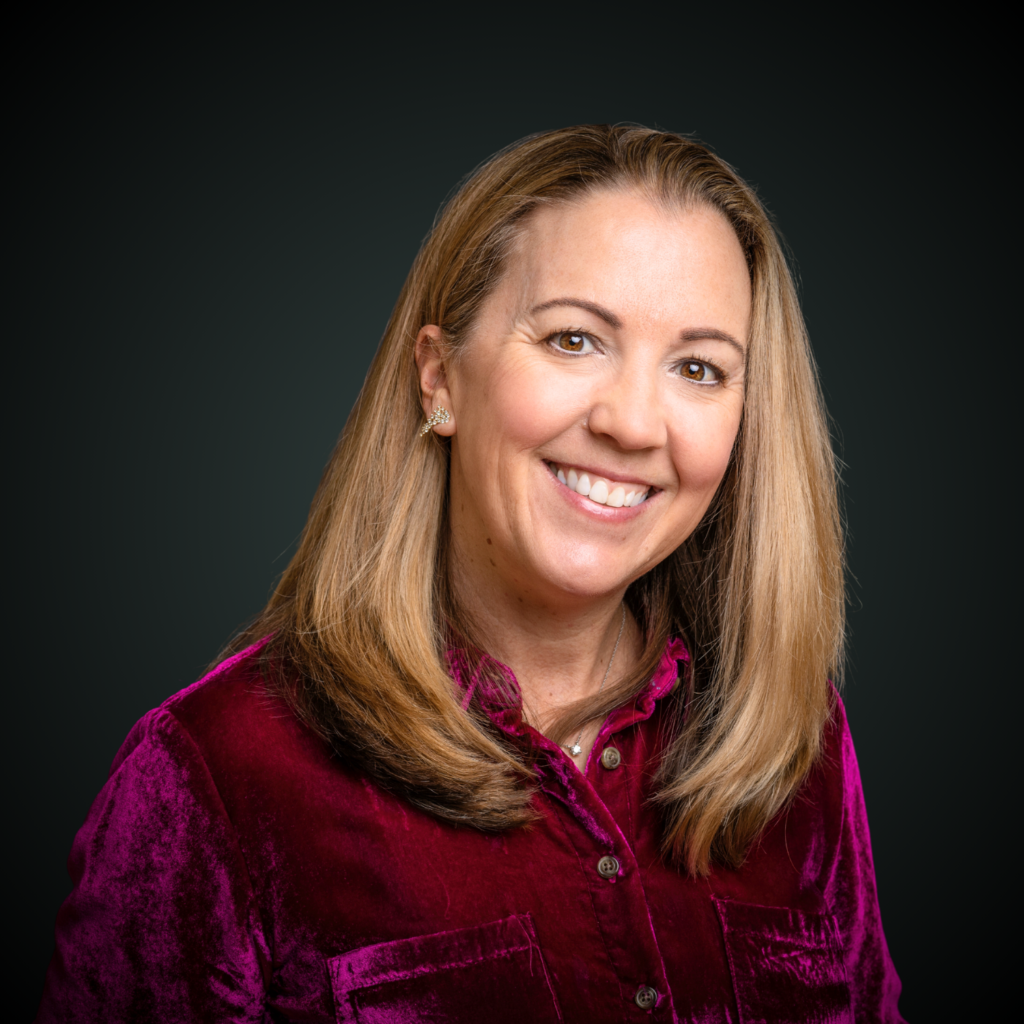
[00:00:05] Jane: Welcome to the Jane Healey Happy Hour, the podcast that explores new and exciting novels of all genres.
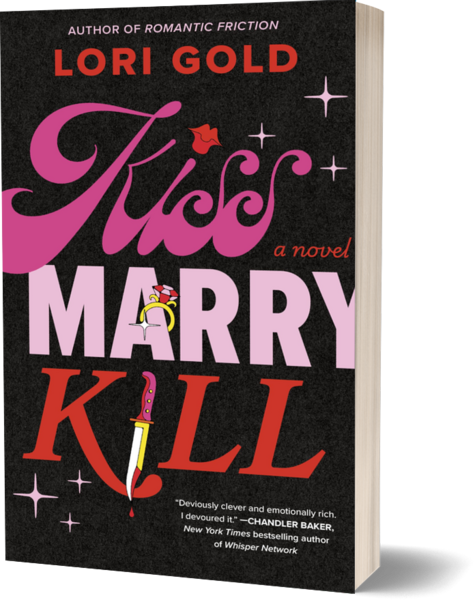
[00:00:10] Jane: I’m your host, best-selling historical fiction author Jane Healey, and in today’s episode, we welcome local girl, author Lori Gold, who’s also from Massachusetts like me, to discuss her latest novel, Kiss, Marry, Kill, which Booklist called, “A funny and bewildering tale, and ultimately a story of friendship and choosing what makes us happy.”
[00:00:32] Jane: Again, welcome, Lori. Thank you for doing this.
[00:00:34] Lori: Thank you for having me.
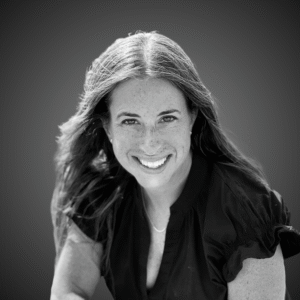
[00:00:36] Jane: So I’m gonna do a quick bio about you, and then we will dive in. Thank you. Lori Gold is the author of Kiss, Marry, Kill, and the A- and the NPR Book of the Day and Zibby Media Summer Read pick, Romantic Friction. She is also the author of an adult historical and four novels for young adult, all under Lori Goldstein.
[00:00:55] Jane: She currently lives outside of Boston, where she fosters a writing community through her creative writing classes, book coaching, and writing retreats. Again, welcome.
[00:01:04] Lori: Yes, this is great. It’s always great to talk to someone else from, my neck of the woods.
[00:01:07] Jane: I know. It’s so fun. So, okay. So I recently pivoted in the podcast.
[00:01:12] Jane: Now I interview authors of all genres, which I love, ’cause I get to talk to authors like you. And Kiss, Marry, Kill is this, like, really unique, interesting, fun premise. Talk about the premise and how you came up with it.
[00:01:26] Lori: Sure, yeah. So Kiss, Marry, Kill is a book club fiction. And it follows three women who are best friends and founders of a health and wellness app in Cambridge, Massachusetts.
[00:01:36] Lori: Mm-hmm. And they are at their summer outing, and they play a spin on the conversation game of Kiss, Marry, Kill. They play it, in a way that they each have to choose someone at their summer outing. One has to choose someone who’s present there to kiss, one to marry, and one to kill, and it- that’s a different way than the game is normally played.
[00:01:54] Lori: So they play this spin on the game, but then they wake up in an alternate universe that mirrors their own, where they’ve each made this choice and have to live out the consequences. So it’s like a grounded speculative, I call it.
[00:02:05] Jane: Yes. Yeah, totally. And so you said that this idea came to you very quickly.
[00:02:10] Jane: Like, it, it was like… A- and so talk about, like, what… Where did it come from? Was it… You- Yeah … were you watching a show or something?
[00:02:16] Lori: Yes. I was watching a television show. It was… This was pre-pandemic. It was early 2020, and it was this teen drama called The Society, and they were playing a game of Kiss, Marry, Kill, and they were playing it the normal way.
[00:02:29] Lori: And it’s so funny when you think of, like, where ideas come from, because I knew of the game. I had played the game. So what was it in the moment of watching other people play it on television that as they played it, my head just went immediately, “That’s a great hook for a novel”? Like, s- how, how has no one done this before?
[00:02:44] Lori: Such a great hook. And then my brain kind of, like, works to make things more and more high-concept, and especially in this book club fiction genre, I think that’s what a lot of us are trying to do. So I said, “Well, I can’t play it the normal way. It has to be a spin on it.” So immediately I came, well, three points of view.
[00:02:58] Lori: They’re each gonna make a choice. One’s gonna kiss, one’s gonna marry, one’s gonna kill. And then I wanna push it even further, so the twist of the alternate universe. It all kind of hit me at once. And little did I know then what I was getting myself in for, because that’s a lot to tackle in one novel.
[00:03:13] Jane: It is a lot, and we will get to that. So, and another thing that I thought was interesting, I was reading your n- some of your notes, and you said that the kind of overarching theme of the story came to you very quickly, and I just wanna read this quote I realized I wanted to explore something I think we all feel, that a single choice can truly determine the course of our lives, and I wanted to examine what happens when you think the grass is always greener.
[00:03:35] Jane: So talk about this and how this theme kind of also, like, came to you, you know, almost instantly-
[00:03:41] Lori: Yeah … it sounds like. So the, the idea hit me in 2020, and I was under deadline for other books, and then had other books release, so I didn’t actually really start writing it in force until I would say mid to late 2021.
[00:03:52] Lori: So it was kind of in my head for a while, and over that period of time in my life personally, you know, the pandemic changed things, changed, you know, jobs, and family members, and lots of things for me personally, as it did for so many people. And it felt like a natural time where so many of us were rethinking the choices we made.
[00:04:10] Lori: Are we happy with where we are? Do… W- what would happen if we had done something differently? You know, I was even talking to you, I moved kind of around that time as well, like, kind of big changes in my life. And this idea that you hold onto these, like, well, what ifs, and that they can haunt you, and you can think about, “Should I have done this or done that?”
[00:04:27] Lori: And I think at some point, choices overwhelm, and you think that about everything, or at least I did. Like, you’re down to, like, should I buy this Target pillow or this Target pillow? And it feels like the weight of the world is on this decision, and I was really feeling that on this personal level, and this book just felt like the perfect one to explore that because what better than you have to deal with the consequences of this really big choice in this big way that these women are in another world, the stressor of that, and then they have, you know, this company that they love and have founded, and that’s going through some issues.
[00:04:58] Lori: But it just felt like the perfect place to explore that theme, and I used it as the way to get into each of the characters. Mm-hmm … it’s three points of view, and so I said, well, if this is a book about choice and the consequences of our choices, how do I represent that in these women? And so that came very quickly as I started to draft them initially.
[00:05:17] Lori: I said, well, one woman is gonna be someone who can’t make any choice ’cause she’s so afraid of making the wrong one, which is how I was feeling personally. Mm-hmm. Well, what’s another spin on that? Another woman is very judgmental, and she sees the world as black and white. She thinks there’s always a right choice and always a wrong choice for herself and everyone around her.
[00:05:34] Lori: Mm-hmm … and then the last spin on that is someone who makes a selfish choice regardless of the consequences and, and kind of puts herself first without thinking of the consequences. And of course, that’s the character I make kill someone because you know, who better to deal with the biggest consequence of all than someone who, you know, never kinda looks in the rear view mirror.
[00:05:51] Lori: And so the idea of having these three women each have a very unique perspective on choice really allowed that theme to come through naturally in the writing of the novel via the characters and via this premise that I put them in.
[00:06:05] Jane: And this is like such a perfect segue to my next question, actually. So you have these three characters, Aubrey, Elena, and Mallory, and they found this company together that’s called AIM.
[00:06:15] Jane: They’re three initials. Yeah. So, and, and you talked about how you, you know, you use the theme of the story to kind of, h- you know, each character reflects different choices or lack thereof. So how do you develop characters, and has it evolved over the course of your career? Like, you know, I know some, some writers do whole character sheets and things like that.
[00:06:32] Jane: Or is that… or is, do you kind of feel your way along? Yeah. I’m curious about that.
[00:06:37] Lori: I do think about character a lot. I do spend a lot of time really digging into the characters. I, and this has been something I, I didn’t do with my very first novel, which has not been published. And it has not been published because I didn’t know what I was doing when I was writing it.
[00:06:50] Lori: As, as happens for many writers. Yeah. You know, that’s your… You know, it’s so hard to tell a writer that’s your practice novel because you’re putting so much into it, and I certainly did. It was a three-year write, but I didn’t know enough to do any part of it the way a novel should of, between crafting great characters, having really great story twists, and also understanding the marketplace and what someone was going to represent and, and buy.
[00:07:11] Lori: And after that experience, I actually took a class at GrubStreet, in the Boston area, which where I now teach, and transformed the way I approach my writing. And my process has, in some way, been the same. You know, obviously I’ve learned more as I’ve kind of developed my own process over the, you know, kind of 11 years I’ve been publishing books.
[00:07:29] Lori: But from the very first, that, that instructor was very deep into your characters and understanding their backstory, why they are the person they are, so then you can understand the decisions they’re going to make in the present day storyline. So I do spend a lot of time, thinking through the backstory, and not down to like details of like, you know, where did they go to school and what were they grade in grade school at.
[00:07:49] Lori: You know, not that level, but really the emotional side of what have they dealt with, what is that emotional, you know, baggage they bring with them? What is the lesson that they have to learn at the end of the story? And that’s really where I concentrate, and then I try to develop the key pieces of their backstory that matter for this particular book.
[00:08:05] Lori: And I’ve learned enough to know I don’t have to go down rabbit holes anymore. In my first books, I did go much deeper into the character profiles and answering 50 questions about the character and all of that. But now I know what I need to know, and that’s just a process of doing it for, you know, many years through many books and realizing, “What do I need to know to get to the heart of this character for the story?”
[00:08:24] Lori: Mm-hmm. So I do spend… That’s my initial thing. I do that before I do anything else. And then I really dig into, as I was saying, what’s the emotional lesson they’re gonna learn at the end of the story, and what is a climactic decision and action, tangible decision they can make that represents that transformation?
[00:08:41] Lori: And so I go from character profile to kind of like the ending twist. Oh. And then I go backwards and plot the story. So that, that’s kind of been my process, for this book, for the one before it, and yeah, definitely the last two or three.
[00:08:52] Jane: It’s so, so smart. I was listening to another podcast, my agent has one called The Shit No One Tells You About Writing, and, they, they were talking about, to an author, and they were saying, you know, people have to remember, especially newer writers, that, like, the characters existed before the story began.
[00:09:06] Jane: And so what d- what does that mean? And what w- what did that look like? So yeah, so, so smart. Yeah. I wanna talk about too, ’cause I actually, back in the olden days, was in, high tech in Cambridge, Okay … working, working at the startups. So d- do you come from that world? Or did you have to do some research into that?
[00:09:23] Jane: Like how did you- Yeah … research that aspect of the story?
[00:09:25] Lori: Yeah, I do have somewhat of a background from, from a publishing angle. So I was a journalism major in college, and when I, I went to this school in Pennsylvania, when I moved up to the Boston area, all the jobs in publishing, unless you were at like a newspaper or really got, you know, Boston Magazine as a job or something, were, were very much in the tech publishing world.
[00:09:42] Lori: And that was, like, kind of my first jobs out of college were in tech publishing. I worked for tech journals. And so I was in that world for a long time, so you know, it’s kind of like steeped in, in where I… When I think about businesses and when I think about, how to represent a character’s career, I tend to kind of think in that way because I did it for so long, you know, obviously from the publishing side.
[00:10:03] Lori: One of my y- YA novels is about three girls who go to Silicon Valley to compete in a competition to develop an app. So it, I, my mind tends to like go there. But for this one I felt like it was so great for them to be in the tech world because I wanted something they could have founded by themselves as friends, be their friends, their coworkers, and I wanted it to be something that would put a lot of pressure on the women.
[00:10:26] Lori: And as I say in the book, which is still true to real life, this company in the book is about to go public on Wall Street, and it’s very highly valued. And it’s true to life that there are just a handful of companies that are women-owned and women-run that are public on Wall Street. And so as I thought about these women and, you know, the world they’re gonna be in, and their company that is about to go public, there’s so much pressure on them, and it’s almost like the feel of if it fails, you’re failing your business, but all of, like, womanhood behind you because- Mm
[00:10:53] Lori: you’re representing such a small percentage of people, and there’s a pressure on that for everyone who’s gonna come after you. So it felt, like, natural for me ’cause I know that world, but also really great for what I was trying to do with the story, and just to keep more and more pressure on these women, to make this a really pivotal and complicated point in their lives personally and professionally.
[00:11:16] Jane: Yeah, it was, it, it is such a back-backdrop for, like, m- messy, messy drama. Yeah. And rich- And rich history …
[00:11:23] Lori: and rich history.
[00:11:23] Jane: Yeah.
[00:11:24] Lori: Yeah.
[00:11:25] Jane: So also, I’m also curious, because, and I’m gonna read this quote ’cause, this was, like you said, y- multiple t- timelines, multiple perspectives. “One challenge I had in creating this story was to figure out how to bring the alternative universe to life in a way that is both accessible and grounded in scientific theory.”
[00:11:41] Jane: And I always think about plausibility in historical fiction, but this is a whole other type of plausibility, and- Mm-hmm … and you know, you said you, you kind of did some deep dives and did- Yeah … did a lot of homework on how to make that work. So talk a little bit about that. That was so interesting to me ’cause I, I love, like, like I, I, I love all the kind of woo woo, multiple universe type of stuff too.
[00:12:00] Jane: Yeah. So I’d love to hear what you learned and how you decided to structure it.
[00:12:04] Lori: Yeah. You know, this is tricky because this is not something I’m familiar with. I’m not a- Right … I don’t know a lot about physics. I don’t know a lot about quantum mechanics. So I did wind up reading many, many long articles in scientific journals, and, one book and half of another book about quantum mechanics and about this idea of the multiverse.
[00:12:22] Lori: And for those who don’t know and haven’t done this deep dive, there are physicists who believe this is real, the world I represent in the book of every time you make a choice, the universe branches, and you live out a version of that choice that you have made. There are, you know, Coherence is a, is a movie, a small indie movie, that is about this very thing.
[00:12:40] Lori: And, and that was very instructive as well from a creative standpoint to, watch that movie. I love Palm Springs, which is not quite the same. It’s a Groundhog Day type movie. But they have to, like, tackle what’s going on behind the scenes of this kind of weird thing that happened. Is it magical? Is it scientific?
[00:12:57] Lori: And as I was making, reading all this stuff and making the decision of how I was gonna represent this in the book, that was the first thing I had to decide. Is it just going to be the magical thing happens, we don’t know why, there’s no explanation for it? One of my favorite authors is Rebecca Cyril, who do- does those kind of what if questions.
[00:13:14] Lori: Mm-hmm. You know, the five people you would have at dinner, living or dead, and she walks into her birthday dinner and they’re all sitting there in a New York City restaurant. There’s no explanation for it, it’s just the magical thing that happens, and the story plays out within that construct. Mm-hmm. And I think there’s a tricky thing of, like, either you give a lot of explanation if it’s a scientific fact thing or you go with the no explanation.
[00:13:35] Lori: I think the halfway is really, really hard to do because people either want it to really be grounded or don’t wanna think about it at all. And I spent a lot of time trying to figure out where I was going to land on this, and because people are so familiar with the multiverse, it’s been popular in a lot of, you know, entertainment lately, I felt like I had to edge a little bit toward grounding it in the science, but I didn’t wanna go so deep.
[00:13:58] Lori: So, you know, all of this research I did and the books I read, I infused just a few lines of it. It’s amazing, I know you writing historical fiction is the same. The amount of research you’ll do for something that’s just like a paragraph. It’s awful. No one understands. So I kind of walked the line a little bit with a little bit more scientific backing of the this is real, but we still don’t understand how it happened, and kind of the way it resolves at the end is totally my imagination.
[00:14:25] Lori: So it is a bit of a mix of the two, but I, I… It, it was a hard decision to make of how much to put in versus not. And I, I think that’s, those are the things you think about for, like, weeks and weeks and weeks and, you know, hopefully readers just read it and it works, right? Right. They don’t analyze what you did.
[00:14:40] Lori: So hopefully that’s where we landed.
[00:14:42] Jane: Yeah. Oh, yeah, I… Absolutely, and I think that, that, yeah, it’s a tricky… It is, it’s always a tricky balance about how much to put in of your research and how much to hold back and, and I think as writers too, sometimes, like, you do so much work, you’re like, “But I really wanna put it in ’cause it’s interesting to me” and so.
[00:14:58] Jane: Yeah. But it doesn’t serve the story, so yeah, there’s always that balance.
[00:15:02] Lori: Yeah,
[00:15:03] Jane: yeah. So talk to me about the structure. Of all, I love talking story structure. It’s written from three points of view, multiple timelines. Did you plan on this structure from the beginning or did it kind of evolve as you wrote the story?
[00:15:18] Lori: It evolved a little bit. You know, as I said, I am a planner. N- I, I know all the major s- like, story beats, I know the twists at the end. But there’s some looseness in there within those constructs of how I get from, you know, big plot point to next big plot point. I knew it was gonna be three points of view.
[00:15:32] Lori: That’s the structure I started with. The idea of, the… So it’s set in the world where they very quickly after the first chapter flip into this alternate universe, and the bulk of the story is set in the alternate universe. But I wanted to be able to show who these women were before this huge thing happens, and so that’s where the idea of the multiple timelines came from.
[00:15:51] Lori: I have flashbacks to earlier, to the original world, and to who they were before, and that was something that just kind of happened as I was writing it. And then I paused, I wrote, like, one little thing that’s like a page and a half, and I was like, “I love this. Am I doing this or not?” And that just kind of happened.
[00:16:07] Lori: Mm-hmm. ‘Cause the other ways to show who they were before would be in conversation, in narrative, in memory. But I want– I felt like knowing them in that present day moment for them, even when they, you know, the two of the women met in college, when they meet the third woman who forms their, their company and h- and how they met, and also the backstory of these women with their relationships, which are also important, their, their, you know, partnerships romantically.
[00:16:30] Lori: And I wanted to see them in that moment, and I felt like the reader seeing it in the moment rather than just someone reflecting it back made you feel it more viscerally and, and you felt present with it. So the flashbacks evolved in that way. I didn’t really plan them, so those had a lot of revision, and I had many more flashbacks than made it in the book because it’s almost like I just wrote what was interesting to me about their histories and backstories with each other and with their romantic partners, and then I had to, like, make it make sense- Mm-hmm
[00:16:57] Lori: and justify that they were in the story, which meant cutting some away and really honing what each thread would be in the al- the other timelines. So hopefully they were clear, they made sense to the reader, it didn’t bop around too much that they were confused, ’cause it can be confusing when you have too many timelines.
[00:17:14] Lori: So I really kinda had to streamline and hone what those multiple timelines were, and that was actually one of the biggest parts of the revision of, of figuring out what they were and then when they should appear. You know, how do they break up the present day storyline in the alternate universe? That was a lot more work than I anticipated, to be honest.
[00:17:31] Jane: Oh, I’m sure ’cause it’s, yeah, it, that, that’s really tricky stuff. So this actually goes to my next question that I always ask. You said I always ask if you’re a plot- as a writer, are you a plotter or a pantser, and it sounds like y- you, you pl- you planned this out. Like, ’cause I was, I was thinking- Yeah … like gosh, she had to have mapped some of this out from the get…
[00:17:50] Jane: Like I don’t know how you could do it otherwise. But yeah, like so talk about your writing process in that way.
[00:17:55] Lori: Yeah, I’m definitely a plotter. I used to be a even heavier plotter than I am now. My very, my first book after the one I realized this was my training book, the next book I wrote after I took that GrubStreet class, he was a big proponent of novel planning, and I did what he said and I followed it strictly.
[00:18:09] Lori: And I had an 80-page scene by scene outline for that very first book- Oh, wow … I, I wrote that became my first book, Becoming Gin. And I needed it. I needed that as a new writer to really rely on. Now I say I do more like I still do an outline, it’s probably like 20 to 30 pages. So as I said, like I, I’m still making sure I’m hitting the character transformation, I’m hitting the seeding of plot twists, I really plan that out, and then there are pieces where I, I kind of let myself go and, and develop it.
[00:18:36] Lori: But to do this kind of work with three points of view and all of this going on, yeah, I, I even posted on Instagram a picture of like someone said, “Did you have like a murder board?” You know, with like the yarn and all that stuff. And I have the equivalent of that, a big poster board where I’m kind of tracking it, let alone like four notebooks where…
[00:18:52] Lori: I’m a, I’m a big tactical plotter. I, I just take a notebook and I write things down. That’s how I, my brain works. Mm-hmm. So I have lots and lots of notebooks of kind of like trying to track these things and what happened, and lists of all the flashbacks and what are they doing, and then kind of sorting them together to, to make them work.
[00:19:08] Lori: So but this book f- overall went through more revision than any other book I’ve written. B- for the flashbacks as I talked about, but also to… I wrote it over a long period of time. I usually do a first draft in four-ish months or so with, with like a month or two of planning, so like, say, a six-month process.
[00:19:25] Lori: Mm-hmm. This one I wrote, and because I had other commitments and deadlines, it sat. And, like, I’m talking not for a week or two, like two, three, four, five months. Mm-hmm. Each time I went back to it, I had new eyes. I, I think I’d learned more even as a writer over the course of this, ’cause again, if I started this in 2021 and it was finished and going to my, editor in like 2024, that’s a three-year, you know, kind of process to keep going back to it.
[00:19:48] Lori: And so every time I did, I would try to streamline, try to improve it, try to, you know, make more connections, more twists, and things came to me that I didn’t know originally as I kinda revised it. And I’ve never had that experience before of letting a novel sit for this long, so even as much as I plotted it, over the years of working and revising, you know, it’s, it’s changed form.
[00:20:08] Lori: The, the bulk of it is the same, I will say, the character transformations, all of that work I did to set them, those characters up, but some of the ways they achieve that are different than what I planned originally.
[00:20:18] Jane: Okay. Interesting. To, to that note, too, so what i- what is the most challenging part of the writing process for you, and what is the pro- part of the process you enjoy the most?
[00:20:28] Lori: You know, the, the plotting is really hard. You know, I, I’ve… It’s always been the hardest part f- for me, and, and I want my stories to be surprising to readers. Mm-hmm. I want them to not expect what the ending is, but when they re-read it, they can really see, you know, that idea of being surprising but inevitable.
[00:20:45] Lori: Mm-hmm. So pushing myself further and further ’cause it’s not my natural inclination to think in those big twist ways. That’s something I really work hard at, and I spend, I spend time at. And thankfully with this book, readers have said that they have been surprised by the ending, so that’s gratifying to me.
[00:21:00] Lori: But kinda setting it all up for that to happen, is, is difficult, and I think it always will be. Like, some writers, some certain parts are easier than others. I love writing dialogue. That’s my most fun part of writing. I could write a book that’s entirely dialogue from start to finish. I, I love it. I, I love bringing character voices to life.
[00:21:18] Lori: That I don’t have to put as much time and effort into as I do for the, you know, the big plotting elements. So yeah, writing the dialogue is, is always my favorite part of, of writing.
[00:21:28] Jane: Awesome. What is the best writing advice you’ve ever received?
[00:21:33] Lori: Ah, you know, there’s so many good tidbits, but I think especially as a new writer, the, the notion of understanding when you’re reading a published book, it has gone through so much to get there.
[00:21:43] Lori: Even what I just said of what I did before this saw any other eyes, ’cause I don’t share my work until I feel like it’s at a really strong place. So I did all of this revision for a long time before a single other reader read my work. But so I did all that work, then it probably goes to, you know, beta readers, your spouse sometimes if they’re helpful on this, which mine fortunately is.
[00:22:05] Lori: Then an agent, then an editor. There is so much work that’s gone on to get that book in your hands that you’re reading. And if you’re rewriting your first draft, even your second draft, and you’re comparing it, you’re going to be disappointed by the nature of the fact that you haven’t worked on it as long as, as these other people, or had as much assistance to get it into that final form.
[00:22:25] Lori: So saying like, “Yeah, I have a road ahead to get it to that point,” it’s not, doesn’t come out, a published book doesn’t come out in the form that it is when you read it. And I think really understanding that and internalizing that, and seeing it as something that’s encouraging to k- to keep writing and to keep improving, I think that’s something that really was helpful for me when I was a, a newer writer.
[00:22:46] Jane: That’s great advice. I have to remind myself of that now. Like, when I’m, when I’m writing a first draft, I’m like- Yeah … “Oh, stop putting so much pressure on the first draft,” you know?
[00:22:54] Lori: Exactly. Yeah. Yeah. That’s- But I think it can also be an inspiration. You know, even when I’m writing and I get stuck, I’ll go grab a book that I’ve read and bring it off my shelf, and I’ll just open it and read a passage.
[00:23:03] Lori: Mm-hmm. And like, I find, like, reading great writing inspiring me to want to get to that place, and remind- Yeah … myself that I will get there, and I’ll eventually get there with this draft like I have with my other books. So you know, it can be daunting or it can be like, “Yeah, now let’s dig in and let’s get it there.”
[00:23:19] Jane: Yeah, it, it… No, that’s absolutely right. And even, like, reading yours, I, I was going through it and I was like, “Oh, that’s a really good way to distinguish, like, characters.” Like, you would, did some stuff with their, their physicality, that I was like, “Oh, yeah, that really, like, distinguishes the three from each other,” and I’m like, “Oh, that’s really good.”
[00:23:33] Jane: You know, like- Oh … you take tips from, like, from-
[00:23:36] Lori: Yeah …
[00:23:36] Jane: other people’s books for sure, yeah. So you’re a writing instructor. When you’re teaching students who are, like, just starting to write fiction, what is the thing they struggle with most, and what, what, what do you find helps?
[00:23:49] Lori: So I often find when you get down to, when you get to know a writer a little bit more and you can really kind of d- dig beneath the surface, so many writers are writing something that’s very personal to them.
[00:24:00] Lori: I don’t generally do that. I incorporate a theme that I’m thinking about or, you know, maybe a bit of a character and what they’re going through, but my plots and my premises and my stories are entirely, you know, different from my own life. And I think a lot of writers start out very tied to a personal experience, something they’ve gone through, but they’re trying to fictionalize it rather than write it as a memoir.
[00:24:21] Lori: And in trying to fictionalize it, they’re sometimes handcuffing themselves because it’s too hard to imagine, you know… someone once said to me, “You know, writing a novel, it, it, is, is like, you know, seeing actors on a stage,” especially like opera. If you saw, like, an opera actor, you know, this close, the makeup would be, like, so much and so overwhelming.
[00:24:40] Lori: But pulled back, it, like, it looks perfect, right? And so the idea of, like, fiction being, like, bigger than life in a way. Like- Mm-hmm … most my life would not be great as a fiction novel. It’s, doesn’t have enough twists. Right, right. It doesn’t have enough, like, insane things happening. There’s not enough, an antagonist.
[00:24:56] Lori: Yeah … you have to invent those things in fiction, and I think when a writer is so tied to their own personal experience, they can’t think outside of that to actually craft a really great fiction story. So at, at, sometimes I will say, like, when I realize that’s what’s going on, “This is great. If you wanna write this this way, a, a memoir, an essay, that might be great.
[00:25:14] Lori: If you really wanna fictionalize this, you have to let this be inspiration- Mm … but really concentrate on the storytelling.” And that, that’s hard, but I do find, like, that Is, is, something that can hold a writer’s back, and I, I encounter that often as an instructor. And it’s tricky because you wanna be respectful of someone’s inspiration, but you also wanna make sure that they’re crafting a fiction story that is really going to allow that story to get out there in people’s hands because it satisfies what a fiction novel needs to do.
[00:25:42] Jane: Yeah, I can imagine that’s tricky. I re- like, when I was first taking writing classes, at GrubStreet as a matter of fact, I was like, yeah, one of my first ideas was, like, just totally biographical, you know? Yeah. And like, I, I can see how that happens with, like, early fict- you know, beginning fiction writers ’cause of course- Yeah
[00:25:57] Jane: you’re gonna take inspiration from your life, but you can’t- Yeah … let it handcuff you. Yeah, totally agree.
[00:26:02] Lori: Yeah.
[00:26:03] Jane: So you’ve written YA. You’ve written historical. You’ve written contemporary. This, this is, like, speculative contemporary. Mm-hmm. Do you have a preference in terms of genre or it’s just kind of like what, whatever inspires you?
[00:26:15] Lori: You know, the, the… I think this is what I’m writing with this book, Kiss, Marry, Kill, and romantic fiction, the book club fiction, with, like, a slightly different element. Like, romantic fiction is about a best-selling author who discovers another author has used AI to write in her style, and instead of being canceled, it’s embraced.
[00:26:30] Lori: And that’s very much a satire. It’s a satire of publishing. It’s, it’s topical. This one is book club fiction, but with that slight speculative element. I kind of, that’s the lane I, I am enjoying, I really wanna be in. Those are where my ideas are coming from, and I think it’s been a natural progression.
[00:26:46] Lori: When I first started writing, YA novels were so popular. It was Hunger Games and Twilight and all of these things, and I looked at this as a new writer and I said, “Well, YA seems to be, like, the place to be,” you know? That’s- Mm-hmm … and it was somewhat of a business decision to come up with a, a, a wa- young adult idea that I thought, you know, would hit it in the marketplace, and fortunately it did.
[00:27:05] Lori: Once I realized more, I wrote four young adult novels and I realized my ideas were gravitating as I was getting older to, to much more, you know, ideas of what I was dealing with at the time or those themes, that were more suited for an adult, you know, women’s audience. I said, “Yep, I’m gonna write, transition into this, you know, upmarket book club fiction genre.”
[00:27:23] Lori: And then I saw the musical Hamilton, and I was so inspired by the musical. I loved it. Love it … and so writing my historical, which is, an imagined love story between, the, the son of, Alexander Hamilton and the daughter of Aaron Burr. It’s like a Romeo and Juliet for Hamilton fans is what, we call it.
[00:27:39] Lori: That was kind of a one-off. It’s my only true passion project. I love reading historical fiction. I never thought I would write it, and this idea just hit and I couldn’t not do it. And so it kind of divert- I was, I was actually, you know, writing, I paused on Kiss, Marry, Kill of one of the books I was finishing up and then sold was Love, Theodora in there.
[00:27:58] Lori: So it kind of like, you know, delayed Kiss, Marry, Kill kind of going further. But it was like, you know, whatever it does for my career, I just wanted to write it and publish it. So even though it- Mm-hmm … like, it wasn’t a straight line, it was, it zigged a little bit- Yeah, yeah … it was the thing I was really just passionate about, wanted to do it, and I’m so glad it, it kinda got out there.
[00:28:16] Jane: Yeah, no, I, I, I, you know, I have a couple more questions for you, but I just have to say, like, in, in some of your articles and in talking now, like, I really appreciate how you talk about, like, the b- like, from a business standpoint, you have to be thoughtful about what projects you wanna p- p- put. Yeah.
[00:28:30] Jane: ‘Cause the, you know, this is a very hard industry. Publishing is hard, and-
[00:28:33] Lori: Yeah …
[00:28:33] Jane: you have to be thoughtful about the projects you wanna tackle and whether there’s a place for them in the market. Yeah. I appreciate you, you talking about that aspect of it, ’cause I feel like sometimes authors, we don’t, we don’t talk about that.
[00:28:44] Jane: Like, this is also, you know, at the end of the day, your book is a product, and- Right … you want it, you want people to find it, and s- and, and want it, people to buy it. So, so thank you for, yeah, commenting.
[00:28:53] Lori: Yeah. No, I appreciate that. And, and I think, you know, I try to be transparent and encouraging at the same time- Yeah
[00:28:59] Lori: because it is a hard business. But, you know, if I knew what I did, what I didn’t know, you know, when I wrote the first book, it was like a women’s fiction book, which we called it at the time, which we don’t now. Now it’s book club fiction, for all for the better. But it was a women’s fiction novel with a male protagonist, and- Mm-hmm
[00:29:14] Lori: an agent read it and really thought it was great. She’s like, “I can’t sell this. Like, it has no place in the marketplace.” I wouldn’t have written that whole book if I had understood that. And so, you know, it comes from my own experience, you know, of many writers, myself included, and I’m transparent about that.
[00:29:27] Lori: I’ve written books that haven’t sold. Mm-hmm. So I want the books I write to sell, so I need to look at like what was that idea, why did the editor not want it, and why are they buying these other ones from me? And I bring that with me to each book because I love writing, but I do wanna write books that it’s my career that sell- Right
[00:29:44] Lori: And, and become published books and, and make, give me an advance. Like, that’s why, part of why we’re doing this. And so I think being open and transparent about looking at the marketplace and making sure you’re doing something, if that is your goal, which it’s not everyone’s goal, and that’s fine, but if that is your goal, I think understanding the marketplace is a key piece that writers just either…
[00:30:03] Lori: It’s almost taboo to talk about. So yeah, I try to be, I try to be vocal about where I come from and how I think about ideas. It’s always premise first, is this something that I can see selling in the marketplace? And I look at all the sales. Mm-hmm. I read the rights reports every week to see what’s selling and to who, and that’s part of the job of being an author.
[00:30:23] Jane: Yeah, absolutely. I totally agree, and I love that you are kind of transparent about that, ’cause I think that newer writers need to know that. That’s a really important part of the, the deal. It’s a business.
[00:30:33] Lori: Yeah.
[00:30:33] Jane: So in your author’s note, back to Kiss Marikyl, you hinted there might be some sort of movie-
[00:30:38] Jane: film, TV, something in the works. Can you talk about that yet or no?
[00:30:42] Lori: I can’t, but- … perhaps.
[00:30:45] Jane: Okay. All right. Yeah. So who, who would play Aubrey, Elena, and Mallory in the movie?
[00:30:49] Lori: I am so terrible at this. Somebody asked me this at an event, and I was like just total blank, and I was like, “I have to have an answer for this,” and I still don’t.
[00:30:56] Lori: Yeah, it’s hard … but I think I, I don’t because, I mean, if something does happen, I want it to be open to whoever is found and who feels like the right fit. I’m not a casting person. That’s not, like, my area, and I also feel like it comes from… When I think about these characters, I’m in their world. I’m in their head.
[00:31:13] Lori: I’m not a, a writer who ever pictures what they look like. Like, and I do try to give descriptions, so a reader can, like, distinguish who they are, but some people are like, they have a Pinterest board, and they, like- Mm-hmm … have the actors who, like, you know, that they’re thinking of when they’re writing it or a face that they can put to it.
[00:31:28] Lori: Their faces are always kind of, like, blurry to me. And I think that’s because I don’t want to assign outside traits to them. I want them to come through from, like, who I feel they are, and so even, like, putting an actor’s face to it, then I’m gonna remember what Megan Fahey was in, who I love, and yes, she’d be lovely in this, but, like, it’s hard for me to picture that because I approach the characters from this way of like let them just be who they are without adopting the physicality or traits of somebody else.
[00:31:55] Jane: Yeah, I ca- I totally understand that. That makes sense. Yeah. Are you ready to share what you’re working on next?
[00:32:01] Lori: Yes. I’m, I’m working on another book club fiction. And it’s, it’s told in interview format, like Daisy Jones & the Six. Wow … apparently because I decided after I wrote this book that was really complicated, I should do something else that’s really complicated.
[00:32:13] Lori: But I really love it. It’s about, a woman who is a podcaster, and she, through a whole bunch of things, becomes, a, a part of the writers’ room for the adaptation of a novel that she loves. But she’s been running a podcast about this novel that she loves, and now she’s gonna be in the writers’ room when it’s adapted.
[00:32:31] Lori: So that’s k- what I’m working on. I’ve been working on, on it for about a year or so, on and off, from promotion, ’cause I had books coming ba- out, back to back years, last year and this year. And it’s gonna take some time on the revision end for this one, too, with the format, but because I love writing dialogue, it’s just been a blast to write.
[00:32:48] Lori: Oh, yeah. So hopefully when I finish it, it’s not just one of those things that I wrote because I love writing dialogue. Hopefully it actually comes together as a novel. But that’s what I’m working on now.
[00:32:57] Jane: Oh, I’m sure it will. It sounds very meta, very interesting. Yes.
[00:33:01] Lori: Yeah.
[00:33:01] Jane: And how can readers best keep in touch with you?
[00:33:04] Lori: So my Instagram is where I’m most active, and that’s under Lori Goldstein Books, my full name, Lori Goldstein Books. And, my website is Lorigoldsteinbooks.com.
[00:33:13] Jane: Awesome. Lori, this was delightful to speak to another Boston area girl. Yeah. That’s a wrap. It was lovely to meet you. Thank you for being a guest.
[00:33:21] Jane: Again, the novel is Kiss, Marry, Kill, and it’s available now wherever books are sold. You also have a couple more events coming up, I saw on your website, so you can go, go to your website if, if people are in the area and wanna- Yes … see you in person. My latest novel is the Cold War spy thriller, The Women of Arlington Hall.
[00:33:37] Jane: Please remember to subscribe to my YouTube channel or follow me wherever you listen to podcasts. Again, thank you, Lori. Congratulations on your latest. Thank you. And thank you, everyone, for listening. Thank you.
[00:33:47] Lori: Thank you.