[00:00:00] Jane: Welcome to the Jane Healey Happy Hour, formerly Historical Happy Hour, the podcast that explores new and exciting fiction novels of all genres.
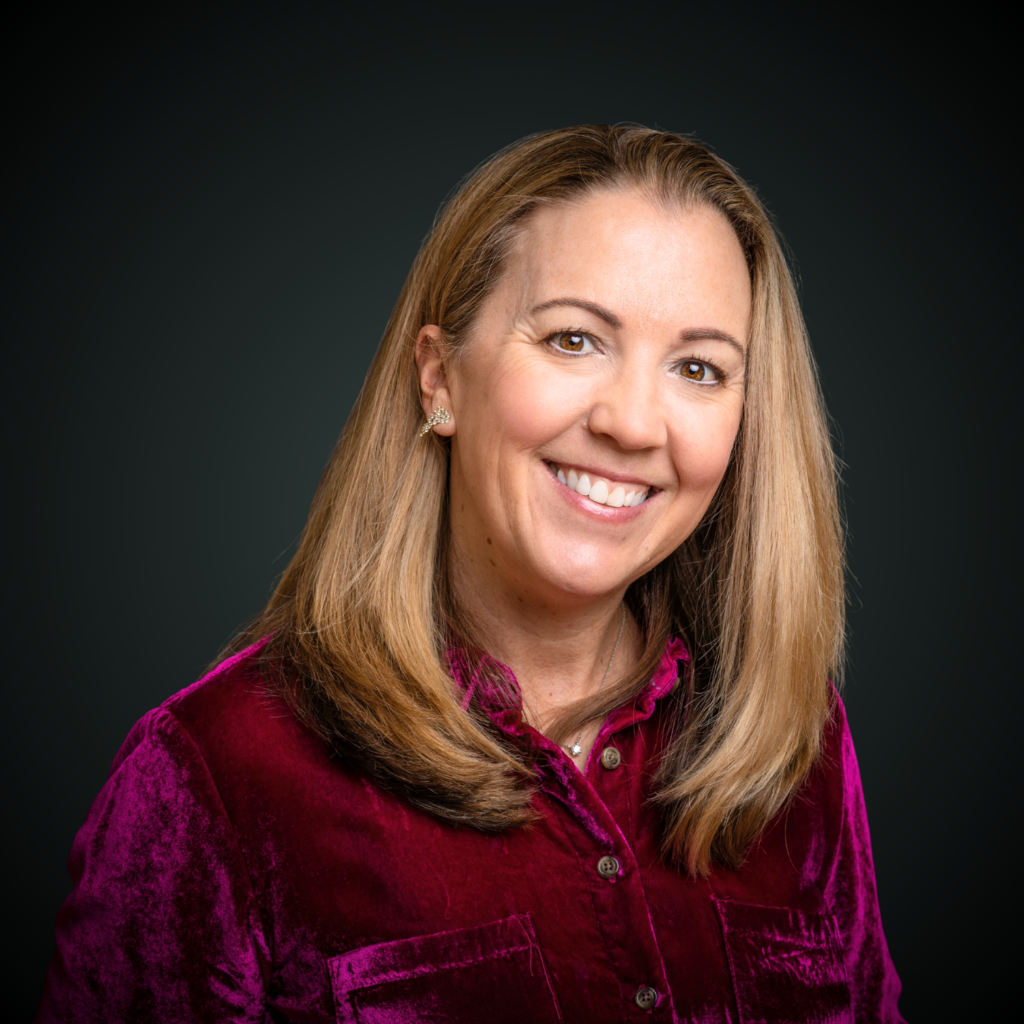
[00:00:07] Jane: I’m your host, author Jane Healey, and in today’s episode, we welcome best-selling author Laura Vogt to discuss her debut novel, In The Great Quiet, which releases April 1st and is inspired by the life of her homesteading great-great-grandmother. Welcome, Laura. Thanks for being on.
[00:00:24] Laura: Thank you. I’m so excited to be here.
[00:00:25] Laura: I’m very honored.
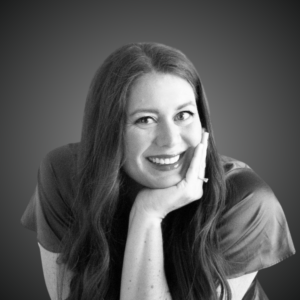
[00:00:26] Jane: Oh, lovely to have you. Okay, I’m gonna do a quick bio, and then we’re gonna jump into questions. So Laura Vogt is a historian, storyteller, and poet. She studied literature and history in undergrad and graduate school, focusing on Shakespeare, folktales, and the history of mentalities. Her poetry and prose is published in various journals, including Fourteen Hills, Enchanted Living Magazine, South Carolina Review, Chapter House, and Rust & Moth.
[00:00:52] Jane: Laura lives in Tulsa, Oklahoma, with her husband and three children. In The Great Quiet is her debut novel. Again, welcome and congratulations on your debut. That’s huge.
[00:01:02] Laura: Thank you.
[00:01:03] Jane: Um, so tell us about your family history behind the story, how you first learned about it, about your great-great-grandmother, and what ultimately has inspired you to write a novel about it.
[00:01:15] Laura: Okay. That’s one I, this is one I do really remember very vividly the moment I had the idea for the story. I was just chatting with my grandmother, and this is the story of her grandmother. And she was just, we were in her sitting room. It was just us two. And, um, she was just telling stories about family and her mother and just, just talking.
[00:01:32] Laura: And then she told this story, and I either had never heard it or had never really recognized what that meant, ’cause I knew my family was full of farmers. I knew that they were pioneers. I th- um, I knew, I knew that, but I, I don’t think I really recognized the s- the s- the circumstances. And so when she told me that story, I was like, “Wait a second, Grandma.
[00:01:49] Laura: Can you tell me that again?” And I remember she was telling me about her grandmother and, um, she knew some certain details about it. It was like a very vivid, um… It was a very, very vivid image of a woman, like on a horse. And in Oklahoma, we have that red dirt. It’s very kinda like a saffron, a really pretty red color.
[00:02:05] Laura: I always had an image of the red dirt and this woman, and that’s how all my stories come to me. It’s a very clear image of a specific woman, like at a moment in time. Not necessarily the big, you know, historical setting, but like her, what she was experiencing, her emotions. And so I kinda got this glimpse of her and was just curious.
[00:02:21] Laura: And I had- I was just curious like, “Why is she doing this?” Like, “Why is she was- racing the wilderness?” Like what is she, you know, I assumed running from something. Like, why would she do this? ‘Cause she’s going into the wilderness, that there’s nothing there. And, um, so I had, it was kinda a combination of my ancestor’s story, my family’s story, my grandmother told me, but also I had this character who’s very, a very strong character from the very beginning.
[00:02:41] Laura: And that’s just where it came from.
[00:02:43] Jane: Amazing. Amazing. I, you know, I was thinking when I was reading it and, and, and going through your backstory, like we talk about trailblazing women in history, and I was like, if there was ever a literal t- trailblazer, it would be Minnie Hoopes. And so talk about her and her…
[00:03:00] Jane: a- and how you learned about her and how you got in her head to, to write this book.
[00:03:04] Laura: Yes. So with her, that is a good, that’s a really good question. So my grandmother told me about her, and I have stories, but I think a lot of… She didn’t have a whole lot more than just stories of what her grandmother was like.
[00:03:15] Laura: That she, you know, liked her flowers, and she… So I… She didn’t have a lot of like what Minnie was like in 1890s, and what she was like before she was a grandmother. And so a l- her personality is more formed from what I would found in research. I like to read a lot of journals and a lot of, um, interviews of women, so it’s cobbled from that, plus my imagination of what would it take to do this and why would you, why, and like what kind of personality would choose this sort of life?
[00:03:40] Laura: And a lot of the women, they went with their neighbors, their fathers, their brothers. So it’s kind of a community exciting kind of, um, everyone was excited. It was this kind of, they were forming a whole new community. But Minnie, I, I’m not quite sure, but I know there were some women that went fully alone, and that was kind of what was interesting to me, that this idea of, um, just re- completely rebuilding her life.
[00:03:59] Laura: Um, so yeah.
[00:04:00] Jane: Yeah, completely. Yeah, uh, uh- Yeah … it was amazing. And, and so the other thing, you know, I love when historical fiction focuses on a time and a place and an event that you don’t ne- you, you don’t read about as much, right? Like, so talk about, you know, y- this book kicks off i- Oklahoma Territory, 19- 1893, high noon, day of the Cherokee Outlet land run.
[00:04:22] Jane: Like ta- and it’s this like chaotic, crazy event in Hi- in American history. Talk about that event and that kind of precipitated- Yeah … her story.
[00:04:33] Laura: And that’s something that I also… I g- I grew up in Oklahoma, like I’ve had Oklahoma history, but something about it never really clicked, I think, until my grandmother was telling me the story and those particular pieces.
[00:04:43] Laura: I think it, I mean, it’s a pretty complicated, fraught history, so I think that’s one of the reasons why it’s not talked about as much. Um, but- Uh, that time was really interesting. I was first researching 1899 Land Run, because that is what we thought she went on. And that time, the stories, everyone was just excited.
[00:05:01] Laura: They were just so hopeful. It was, I think it was right after Easter, so they were singing these hymns, and it was just this beautiful time. But then a few years later, it’s an economic depression. It’s a drought. People are desperate. People are hungry. People don’t have jobs. And so it was very, th- the situation was just very rife, I think, for an exciting story.
[00:05:20] Laura: And that was the one that she went on in 1893. It was the largest one. Um, and yeah, so it is a very, w- the more I researched, the more I was surprised by how these stories have not been told, and it’s a story women, it was, they didn’t, they couldn’t really own land. Here was an opportunity for a woman to go off and make her own life.
[00:05:37] Laura: She didn’t, she didn’t have to rely on a man. It was just a cr- pretty incredible story. Um, in the true history of Minnie, she did actually, I write the story, and she, her brothers go along with her, but she has kind of a complicated relationship with them. I don’t know what their relationship was like, but I they, I actually assume they probably helped each other out and probably had a kind relationship, but it was very interesting to me the idea of her going off on her own, and that was tr- true history, that women would do that.
[00:06:04] Jane: Yeah. I- incredible. I, I, so you mentioned your research. I love talking research. I love your notes at the beginning and the end. Uh, what i- what was your research process like for the book? Um, you mentioned some journals and interviews with homesteading women of that time period. Like, was there anything…
[00:06:21] Jane: Talk about your process, and was there anything that really, like, s- surprised you or stuck out to you?
[00:06:26] Laura: Mm-hmm. Yes. I enjoyed the, I enjoyed the primary research journals, um, interviews, newspapers. And there was, there’s a lot. There’s a lot out there. There’s the, the Oklahoma… I forget what it’s called.
[00:06:37] Laura: But there’s a online, a, a net- like, a source that has just hundreds and hundreds, maybe even thousands of interviews. And so I would just search for the women in Homesteaders and read those, and I read hundreds of those. And they’re, they’re, a lot of times they’re giving very specific details. “I went here, I did this.
[00:06:54] Laura: This is what happened on this day.” And I also re- had, there was this one specific collection of them that was, um, th- from a specific county, and those stories, they were just so vivid and had amazing details. And so I read a lot of those, and they were like a page or two. And I, I would take specific stories.
[00:07:11] Laura: Like, for instance, one, one girl talked about how they had a fire on the first day, and she explains in detail what they did. So I was like, “Well, I can just steal this and make-” Oh, yeah “… my character sound brilliant,” ’cause I do not know how to fight a fire on a prairie, but this, this woman from 1893 does.
[00:07:27] Laura: And so I took specific details from that or other details. There’s one I loved. A woman talked about how she carried cayenne pepper. She didn’t explain why, but you can put the pieces together that she always, she’s like, “I always carried my, my six-shooter and my cayenne pepper.” And I just thought that was such a vivid detail, and so I was like, “I have to use that.”
[00:07:43] Jane: Yeah. That’s just the best when you find those little details that you go like, “Oh, that’s going in,” because, like- Yes … it’s almost, like, stranger than fiction type stuff, too. Like, cayenne pepper. Yes. Yeah, things like that. I love it
[00:07:53] Laura: Yeah, and that was the one, the thing that I thought I really enjoyed is the stories.
[00:07:56] Laura: They were very, I kind of, you think that this, this is kind of the end of the Victorian age. They’re, you consider these buttoned-up women that are k- you kind of have an idea what they’re like. Um, but they really weren’t. They were just, you know, there’s some of the stories, the women were hilarious and very excited, and some of the women were very haunted and very, you could just figure out their secrets behind that.
[00:08:15] Laura: So they were very, very alive stories, and that’s what kind of surprised me the most, was how alive they were and how they weren’t really that much different than women today.
[00:08:22] Jane: Yeah. Yeah. Amazing. Um, I also wanted, I wanna read one of the, the first of the three epigraphs in the beginning. Okay. Um, and I want you to talk to this aspect of the history.
[00:08:33] Jane: So the first of the three epigraphs is from Osage historian John Joseph Mathews. Um, “Where the Indian passed in dignity, disturbing nothing and leaving nature as he found her with nothing re- to record his passage except a footprint or a broken twig, the white man plundered and wasted and shouted, frightening the silences with his great braying laughter and cursing.”
[00:08:55] Jane: Um, you can’t talk about this time and place without incorporating Native American history. Yeah. And so explain how you chose to do this in this story, ’cause I, I know y- I’m sure y- Mm-hmm … because y- you know, this is someone else’s history. This is, you know, it’s not, it’s, but you have to incorporate that somehow.
[00:09:12] Jane: Mm-hmm. So how did you decide to do that?
[00:09:13] Laura: That was probably one of the hardest pieces, is figuring out how to navigate that, because it’s an exciting story for my ancestor, but it’s a very, uh, it’s a very dark it’s very s- there’s a lot of horrifying things that happened, and so that was very hard.
[00:09:27] Laura: I think I actually did more research reading about the Native experience than I did, um, just the everyday woman homesteader, just ’cause I wanted to, I mean, I’ve never, um, that’s not really my story to tell, but I wanted to, when they did glimpse it, to have a kind of an authentic, try to portray it in a way that’s authentic.
[00:09:42] Laura: And I didn’t want to, I didn’t know ever how much, like how much to share about it, and when is it my story? And w- I had, I did, and I really grappled. And that’s when I really relied on editors, and we ha- we had quite a few sensitivity readers, and I actually had towards the… One of my last edits, they wanted me to put more in.
[00:09:57] Laura: They wanted a little- Okay … bit more just situ- you know, just a little more framework to kind of, um, understand this the historical situ- landscape.
[00:10:06] Jane: Interesting. Yeah,
[00:10:07] Laura: um- Yeah, I did, and John Joseph Matthews, he, I do not know, I had never heard of him until I wrote this. Yeah. His work is incredible. I think he will be someone I always recommend.
[00:10:15] Laura: It’s similar to, like, a John Muir. Like, I think he should just be… His work is just stunning and beautiful, and I kind of fell in love with his writing, and, um, I, I, I really enjoyed it.
[00:10:25] Jane: Oh, wow. And yeah, I should mention, you, like, you have this, a great book club guide in the back. You have, like- Yeah … you, you have all your, all of…
[00:10:32] Jane: You mention many of your sources, and you said you also have an extended list on your website. Um, ’cause I think people who love historic f- historical fiction love to, like, go down the rabbit holes afterwards- Mm-hmm … you know, to find out- Mm-hmm … what’s real and what’s, what’s not. So I, I should mention that as well.
[00:10:47] Jane: Um, so, um, bec- I mean, I always ask this question, but this one it, it must’ve been… so I always talk about, like, when you’re writing historical fiction, where you separate fact verse fiction- Mm … and what, you know, what rules you might have, how you strike that balance. Mm. And this is a, must’ve been a little more fraught, ’cause it’s your own family history.
[00:11:08] Jane: So, so how did you do that in this, in this book, and what were the choices you made?
[00:11:11] Laura: Yeah, that one was, I wanted to… It was very important to me to honor, you know, her history, and hon- you know, to be true to that. Um, I think as I was writing it, I didn’t really think about it as much until I got closer to sharing the story, and I think Minnie as a character was just very, like, she was just a very strong, she was very clear, and she was a little pushy.
[00:11:29] Laura: And so I think I was almost a little bit more following- I was, I wanted to follow her. And I, as I did all the research on the women and the stories, I think it was important to me to honor it, but it was even more important to me to g- to follow this character, to have a character that was compelling, that I wanted to read about, and that was, that was a true historical woman of the time.
[00:11:46] Laura: So I was more curious about, like she, Minnie’s just an average, everyday woman, 1893. There was plenty of other ones as well, so I was more curious about, like, finding what it would be like to be a woman back then, an everyday woman. Mm-hmm. I’m a mom, so like, what would it be like to be a mom in 1893? What would it be like to be, you know, a wom- a mom 200 years ago?
[00:12:02] Laura: That’s just really curious, interesting to me. And so I kinda chased down that a little bit more than specifically Minnie as a biography. Um, I didn’t have a whole lot. Like, she, I knew she was a painter. I knew she liked horses. I knew she liked flowers. But I didn’t have, like, a biographical she, this happened, and this happened, and this happened.
[00:12:18] Laura: And so I was more tied to just chasing down what it would have been like to be a woman back then. What was you know, what was it like then? That’s very interesting to me. Women that, stories that are not told, women that are forgotten, and I’m very interested in that every day, just normal woman.
[00:12:32] Laura: The woman that’s not gonna make history, what was her life like? Mm-hmm. And what if that woman did choose to do something, um, like Minnie did? What if the everyday normal woman then goes into the wild west adventure? And that’s was more interesting to me. Um, and so I did it… It, it was a… It honestly wasn’t something I thought about too much until I gave the book to my grandma.
[00:12:50] Laura: I was like, “I hope she likes the story.” Yeah. “I hope…” Like, that was honestly the scariest to share with her, and she did. She liked it. And, um, I told her ahead of time, um, that there might be changes, and she said, “Well, that, that’s fiction, Laura. I understand that.” And so that was nice that she, um, she, uh, she enjoyed it and yeah.
[00:13:09] Laura: So that’s how I-
[00:13:10] Jane: How amazing you can share this with her. I know. That it’s gonna be out in the world. Like, what an amazing thing. Yeah.
[00:13:15] Laura: Yeah, yeah. She’s, she’s very proud. She’s 93, and she’s just wonderful, and she still remembers every detail. She, like, remembers her, her next door neighbor from fourth grade’s name.
[00:13:24] Laura: She’s very, she just has, like, so many stories inside her, and she’s just wonderful and lovely, and she’s very excited.
[00:13:29] Jane: Um- Yeah, I’m sure. Yeah, and proud. Yes. She must be super proud. Yeah. Oh, I love that.
[00:13:34] Laura: Yeah.
[00:13:35] Jane: Um, so I wanna ask, um, a few questions, like, related to the writing life and writing fiction. Um, what was your process like?
[00:13:44] Jane: This is your debut, but you’ve done all sorts of writing. Mm-hmm. Um, but your debut novel. Um, are you a plotter? Do you plot things out, or do you write by the seat of the pa- your, your pants, are you a pantser? What’s your process?
[00:13:55] Laura: I’m, I’m pretty, I’m pretty much in the middle. I think I- Oh … I do a lot, I do the story genius method by Lisa Cron, where she talks, I do a lot of thinking about more the char- I’m really a character-driven.
[00:14:04] Laura: I follow the character, follow their arc, and so I really dive into, you know- Their history, their misbelief, all that stuff is really interesting to me. So I do do a lot of work of that, on that before I start, and I’m thinking about the character for years. I started this novel, the idea I had, I don’t think I started it for like five years ’cause I was working on another novel that ended up not selling.
[00:14:22] Laura: So I was, she’s just kind of working in my brain. I think you do the story. I’m putting the pieces together. So I do a little bit of both. I don’t make myself stick to an outline. I usually know where I’m going, have ideas of scenes and things I… And I love romance. We haven’t talked about romance. Romance is really I love the romance, and that’s very important.
[00:14:38] Laura: So I thought a lot about the romantic arc, the beats of that. And so I thought about, I did think about it, but I, I, I don’t make myself stick to that line. I think I outline, but I don’t necessarily follow it. So.
[00:14:50] Jane: Yeah. No, that makes sense. Yeah. Yep. Yeah. Um, and so you, you know, uh, like I mentioned, you’ve done short fiction, poetry.
[00:14:58] Jane: Um, in what ways did the novel feel like completely different from those forms, and in what ways did it feel pretty much like a natural extension?
[00:15:07] Laura: That’s a really good question. I’ve always seen myself as a fiction writer, storyteller. That’s always been kind of my passion and where I said, I think I didn’t really…
[00:15:17] Laura: It was almost it was maybe five or 10 years a- five, seven years ago I started taking my poetry more seriously. And I took it, I was really working on my poetry to work on my prose. Like, I was, I just wanted to work on language. Mm-hmm. But then I started submitting them and started getting them published.
[00:15:30] Laura: I’m like, oh, I don’t, in my brain I don’t consider myself a poet at, at all. I don’t consider myself… I c- I see myself as a storyteller. So this one, it was, it wasn’t that much different ’cause I’d always written fiction. Fiction is kind of where my heart is at. Um, but I do think the poetry helps make my prose stronger.
[00:15:48] Jane: And I, I would say that if you published poetry, you’re a poet.
[00:15:52] Laura: Yes.
[00:15:52] Jane: Like, I’m always so impressed with poet- poems and po- poetry and people who are, who write them, ’cause it’s just, yeah, it’s just, I, I… it’s a whole other world for me. I can’t even imagine it. Yeah.
[00:16:02] Laura: Yeah. I definitely, I will introduce myself as, an author or writer, but I never…
[00:16:07] Laura: To me, that, poet is not really part of my, um, identity, I guess, but it’s, I do put it in my bio, but it doesn’t feel like it’s- You should … I don’t consider myself a poet. But I guess I do publish poems, so does that mean I’m a poet? I’m not really sure. So.
[00:16:20] Jane: Yeah, I think it has this kind of dreamy quality when you say- Yes
[00:16:22] Jane: “Oh, I’m a poet,” you know? Like, it sounds-
[00:16:24] Laura: It
[00:16:24] Jane: doesn’t- It sounds like from another time, you
[00:16:27] Laura: know? It’s- And I think my, my fiction, I, I f- I’ve had, I, you know, went to school for some of it, and I have, I’ve read, I’ve read so many books and I have an idea what I’m doing. Like, I, po- my fiction, I’m very clear on editing.
[00:16:36] Laura: I always know where I’m going. Poetry, I just like, I’m just basically like my journal entries that I’ve put in poet shape. Like, I’m not really- Yeah, yeah … I don’t really know what I’m doing, so maybe that’s why, um, I don’t, I don’t consider my poet, po- poet. Someday I would love to do, like do a poet, some poetry classes or whatnot, but I don’t really have any education on it.
[00:16:53] Jane: Amazing. Amazing. Um, so this is your debut. Many listeners are emerging writers who are, in the trenches trying to get their novels finished, trying to get their queries out to agents, um, or maybe they’re on submission. What, what’s, what would you be willing to share? Like, what one thing you wish you had known at the beginning of this process?
[00:17:15] Laura: I think, I think of two things. One is just i- I really do think just perseverance and just k- keeping going is really the most important thing, that tenacity is so much more important than talent. Like, just, if you love it, if you like to write and you wanna publish your stories, just keep going, and I really believe if you don’t stop, if you don’t give up, you will one day hold your book in your hands, and that’s, I really truly believe that.
[00:17:34] Laura: And the second thing is that, um, what was my second thing? I wrote it down. Sorry.
[00:17:38] Laura: Sorry. What was
[00:17:39] Jane: the second thing? No, no, no. No worries.
[00:17:42] Laura: Oh yeah, the second thing is I, I did, I, I did have another novel that I did not sell, and I spent about a decade on the novel, and I love it. I love the story.
[00:17:49] Laura: I lo- I love the characters, and put a lot of my heart in that, and I did not sell my novel. And so that was a very… it was really hard. It was very emotional and, um, I spent a lot of time crying or talking to my husband about it. I had to really delve down deep into, and he was really great too ’cause he would ask me like, “Why do you do this?
[00:18:06] Laura: If you never sell a novel, why do you keep going? Like, what is important to you?” So I had to really delve down why do I write? Why is it important to me? And, uh, I think I, I would just recommend doing that. I recommend seeking out what is important to me, why do I write, and, um, and grappling with that and being okay with the answer that you come up with.
[00:18:22] Laura: So I think I would recommend if you’re a writer just continue to try to remind yourself. I know it’s hard. I know you might be sad and hard, like cry. Like move into your friend- Yeah. Yeah … eat some chocolate. Do all that, but also continue, ’cause you- try to continue to remind yourself like why you do it.
[00:18:34] Laura: Return to the love of it and just return to the love of the writing or the love of the process and, um, the love of your stories. And als- I, I think don’t give up hope. I think that if you just continue on. I, I really do believe if you continue going you will publish a novel.
[00:18:48] Jane: Yeah. And thank you for sharing that too because I think that so many authors have at least one, at least one manuscript like in the drawer somewhere that broke their heart ’cause they couldn’t sell it.
[00:18:58] Jane: Yeah. Like I, I, I’ve, I’ve spoken to many authors over the past few years- Yes … on this podcast, and we’ve all got those stories. And I, I think that you make a, such an excellent point that like publishing is perseverance. Uh, you know, like if you take yourself out of the game, then you, you know, you have no chance of getting published, right?
[00:19:14] Jane: If you quit- Right … if you give up.
[00:19:16] Laura: I do think with that, those novels, I have one I started and never finished, and then I have the one that I didn’t sell. And I do think now it might be a duology, which could be one of the reasons why it never sold. It was just too long. And I think that, I was like if I never s- put that out, it’s not, to me it’s not completely gone.
[00:19:29] Laura: Like maybe one day it’ll come out. It’s like, but I, that taught me how I love to tell a story, how I love to write a sentence. It wasn’t lost. Like all that time- … I t- I was learning how to be, how I wanted to tell a story, how I wanted to write. And so when I wrote my now debut, I think it is a little, it is a, I think it is a better, I think it’s a stronger story.
[00:19:46] Laura: I think it is, um… I don’t know. I think my, the one I was working on, it was just felt kind of like it wasn’t as eloquent I guess. So I think, I think that it, it’s, it’s o- if you had to put them in the drawer, it’s hard to, and that’s hard to think about that, but looking back now, I am, again, I’m glad that this is my debut.
[00:20:02] Laura: I’m, I’m genuinely, I’m not just saying that. I’m genuinely glad this is my debut. I think it’s a better debut, so.
[00:20:07] Jane: Yeah, and I think that’s, that’s true. Like any writ- n- nothing is ever lost, right? Yeah. Any writing you do, whether it’s pu- you know, a manuscript that’s published or not, like you’re always constantly learning and getting, hopefully improving and l- Yeah
[00:20:18] Jane: and learning your t- quirks and what works for you and what doesn’t work for you. And none of that i- like it’s all kind of training and, a- and, and will get you where you wanna go, you know, whether or not it’s the one, it’s the one that get, that gets out there and gets published. Yeah. Yeah. Um, what is the best writing advice you’ve ever received?
[00:20:37] Laura: Best writing advice? Oh, man Oh, I don’t have a good… I feel like just k- keep going one’s good. The best advice, um, I think it’s really, I know I just said this, but it is really important just to find your love in the writing. I think it’s important- Yes … that writing is not about, publishing is not about being the deal, it’s not about how your book does.
[00:20:56] Laura: It’s really about, it’s, the writing is really for, I think, for yourself, and just to find the love in that and find peace in that. I think that that’s, the best advice is to just return again and again to the page.
[00:21:07] Jane: Yeah. No, that’s ex- Yeah … that’s very true. And we talked before we, w- before we started recording, um, about how y- you know, this industry’s crazy, and, like, you have to remind yourself, like, why you’re passionate about your projects and w- about the writing and why you love, why you love this.
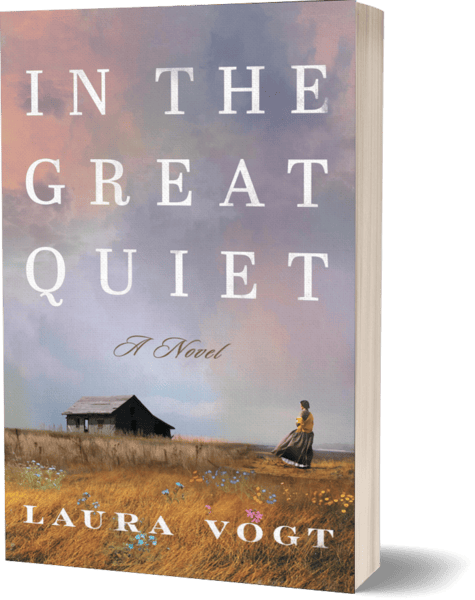
[00:21:21] Jane: And, you know, it, ’cause it can’t always come out from outside sources, right? Mm-hmm. It has to… Yeah. So I think that’s true. Um, I wanna talk about, ’cause I’m always fascinated with titles and covers. It’s a beautiful cover. Um, those of you on YouTube can see it. Um, but, um, describe the cover, and did you have a say in the cover?
[00:21:41] Jane: And also was the title always In The Great Quiet?
[00:21:44] Laura: Okay. Do you want me to describe what the cover looks like? Is that what you said? Or just describe- Yeah,
[00:21:46] Jane: de- well, describe- … describe … like, the process. Like, did you, is this- Okay … and describe, like, what it ultimately looks like.
[00:21:52] Laura: The title was, I think, always the title.
[00:21:55] Laura: I think I always- Oh, wow … used a placeholder. It was kinda just… it wasn’t always. I think it was something like, I don’t know Wild West. Anyway. But I had, I wrote that, um, I wrote the novel during, in 2020, and I had, um, my kids at home, I had a newborn, and we were always home, and I wrote it in like 10 minute paragraph at a time.
[00:22:13] Laura: And I think when I wrote that line in, in the story, Minnie ta- in the great quiet. She’s in the pra- the cover’s a prairie. She’s in the prairie, this wide expanse, big sky. So she was in this great, big quiet. I remember I was like, “Oh, in the great quiet.” I had this huge sigh, like, in my soul. Like, the multiple layers of that.
[00:22:28] Laura: And that just, I put it in as the title, and it just stayed. I was kinda surprised that it, um… I think it just is one of those things where you’re like, people are like, “What does that mean?” I’m like, “What does it mean to you?” Like, it’s, it’s- … the great quiet of the prairie, but also I feel like there’s kind of a…
[00:22:41] Laura: It’s, I was just, I hope that’s a book club question, like, what does the in- the great quiet mean to you? Do you like quiet? Do you have quiet in your home? So, yeah. Mm-hmm. And the, and the cover design… Oh, do, I’m sorry, did you have a question?
[00:22:51] Jane: No, no, go ahead.
[00:22:52] Laura: The cover design went fantastic. I, I had suggested something like either a wide, big sky or a big field, like a nature-focused cover, and they did.
[00:23:01] Laura: They just, I think he did a phenomenal job. There’s, it’s a kind of a purple-y pink cu- sky and a prairie. A, um, I think it’s gorgeous, and the s- the title’s- Mm-hmm … really big. And I, I said I want a white font, big title. They, they… I, I did not, I, I did not choo- I did not do it obviously, but he, I think he really did follow along with the, the ideas that I had.
[00:23:21] Jane: Lovely. That’s always good. Yeah. It’s always nice when they, like, take your feedback and input, and so great.
[00:23:27] Laura: I was like, “I like the idea of a, I love the skies. I, I like the idea of a big sky, white font,” and, and he just came up with this gorgeous image.
[00:23:35] Jane: Very nice. Um- Are you ready to talk about what you’re working on next?
[00:23:40] Laura: Yeah, sure. I can do that. I’m working on another historical. It’s 1800s Ireland. Oh. Um, it’s really, really fun. I’m really enjoying it. It’s, um, the character is, like, a botanist, so she’s, like, the first generation, um, academics, and sh- but she’s often, like, in, you know, on the coast or in the forest, like, out looking for samples.
[00:23:57] Laura: And I’m really enjoying. It’s an adventure story as well, and there’s a romance. Um, the male main character is based on… I’m from Ireland, so our, my, our family was boat builders on the Irish coast, so he’s, like, very loosely based. I don’t know anything about these two. Maybe I’ll research that, but right now it’s just kind of loosely based on, um, that kind of that, the image of, like, a boat builder on the coast and, um, very atmospheric.
[00:24:19] Laura: And I’m, I’m really enjoying. I’m very, very beginning stages. A lot of research has been done, but not a lot of words have been written, so that’s where I’m at.
[00:24:27] Jane: Exciting. Oh, congratulations. That’s great. Um, I mentioned you have a great book club guide in the back of the book. Um, how best can readers and book clubs connect and stay in touch with you?
[00:24:40] Laura: I’m, I’m on Instagram pretty often. It’s lauraboutbooks. That’s where I spend most of my time connecting, and I do have… I’m on Substack, and I have a lot of information on Substack about book club guides and content warnings, and, um, I p- plan to put one up about age rating. I have a lot of people ask if it’s appropriate for children because it’s kind of in the Laura Ingalls Wilder vibes.
[00:24:59] Laura: I’m planning to put that up and, um, just have… I’m on Substack a lot, and then my website has kind of links to all together. But I’d say Instagram is the best way if you kind of want to communicate and connect with me. And I would love to do book clubs. I plan to do a lot of book clubs. I have a guide on there.
[00:25:12] Laura: I have a game. I have a recipe. I saw,
[00:25:15] Jane: yeah.
[00:25:15] Laura: Recipes. That was my
[00:25:15] Jane: grandpa’s
[00:25:16] Laura: recipe. And I just wanna, I would love to have, like, interactive and make it kind of fun.
[00:25:20] Jane: Oh, excellent. Yeah. No, I was like, it’s a very, um… You know, book club guides is usually just questions, but you got a little bit- Yeah … of everything in there.
[00:25:26] Jane: That’s cool. Yeah. Yeah.
[00:25:28] Laura: I sent it to my editor, and I said, “I mean, I did, I added a little bit extra,” and they said, “Kind of a different tone,” ’cause my book is a little bit more serious. And then I was like, “How, how do you reach the tone of it having kind of a fun, playful book club guide?” But I was imagining what women would wanna do in a book club group, and I’d hope that they would play games and have fun conversation and also maybe make a recipe.
[00:25:48] Jane: Very cool. Um, so this was delightful. I’m so thrilled for you. It’s a beautiful story, beautifully written. Um, and that’s a wrap. So thank you for coming on today.
[00:25:58] Laura: Thank you so much for having me. I’m very hon- I really enjoyed it. I appreciate
[00:26:01] Jane: it. Oh, me too. Thank you. Um, congratulations again. In The Great Quiet releases April 1st.
[00:26:06] Jane: Um, don’t forget to follow Happy Hour wherever you listen to podcasts, or subscribe to my YouTube channel. Again, thank you, Laura, and best of luck with your debut.
[00:26:15] Laura: Thank you so much.
[00:26:15] Jane: Have a great day.