[00:00:00]
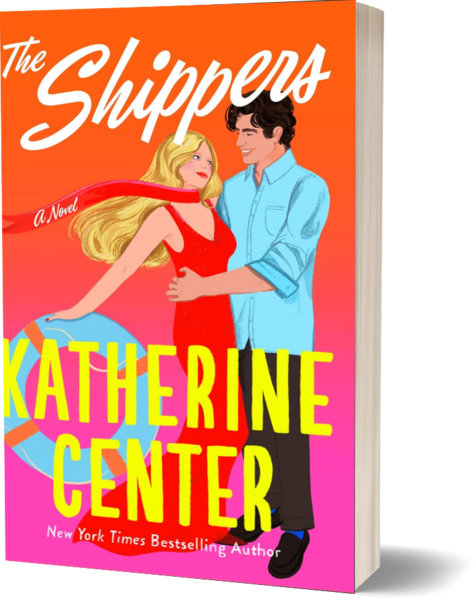
[00:05:00] Jane: Welcome to the newly branded Jane Healey Happy Hour, formerly Historical Happy Hour, the podcast that explores new and exciting novels of all genres. I’m your host, bestselling historical fiction author Jane Healey, and in today’s episode we welcome award-winning and New York Times bestselling author Katherine Center to discuss her new, highly anticipated novel, The Shippers, one of Goodreads Big Books of 2026 and Marie Claire’s Best New Romance no- Books of 2026.
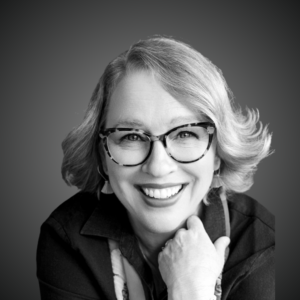
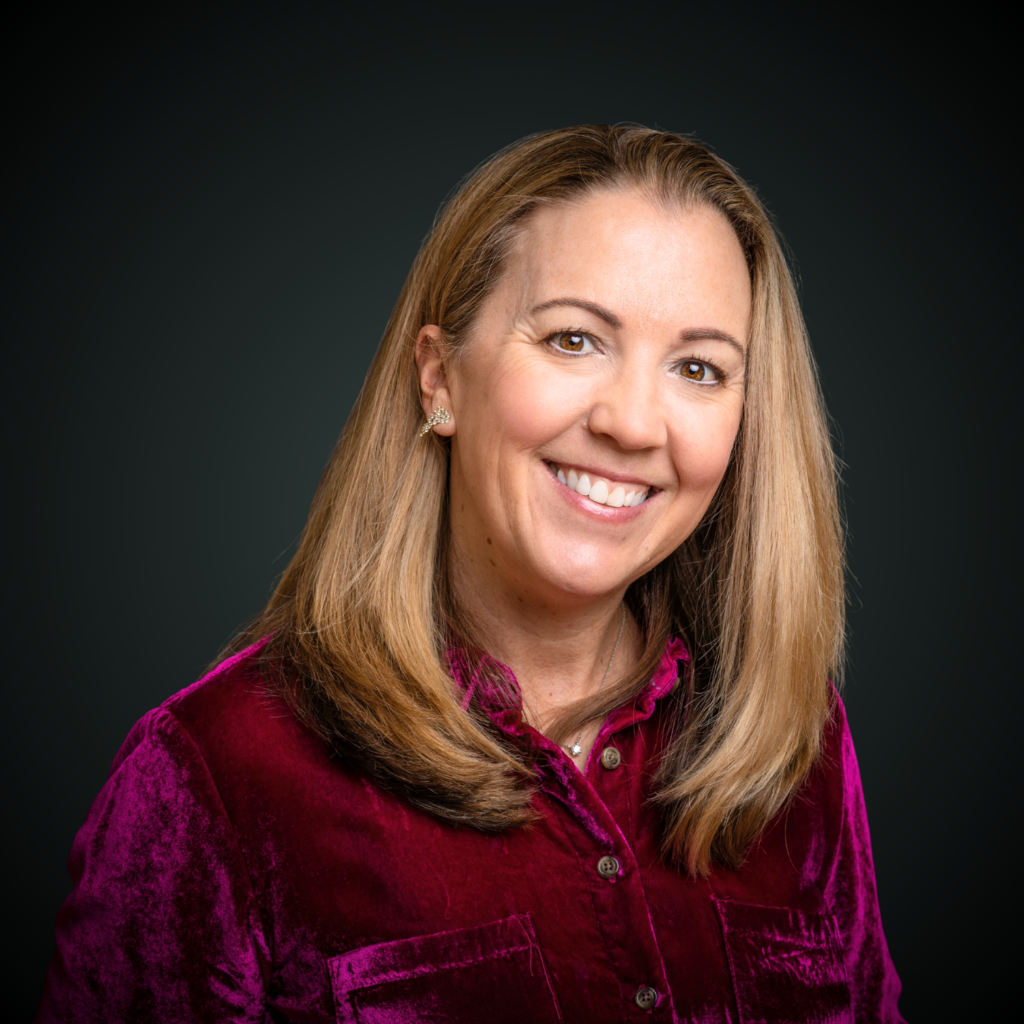
[00:05:28] Jane: It releases May 19th. Welcome, Katherine. Thank you for doing this. Yay. Hi. I’m so excited to be here. Thanks for having me. Me too. I’m hap- happy to have you. So I’m gonna do a quick bio and then I, like I said, I have probably too many questions than we have time for, but thank you. Book Page calls Katherine Center the reigning queen of comfort reads.
[00:05:46] Jane: She’s a New York Times bestselling author of 13 novels, including The Bodyguard, The Rom-Commers, a- and The Love Haters. Katherine writes deep, nuanced, laugh and cry c- rom-coms that brim with hope and healing. Her books have made countless best of, best-of lists, and the movie adaptations of Happiness For…
[00:06:04] Jane: and movie ad- a- blah, adaptations of Happiness for Beginners and The Lost Husband both hit the global top 10 on Netflix. That’s amazing. Her spring 2026 book is The Shippers, and People says, “Katherine Center’s The Shippers is the wedding romance you need.” Katherine lives in her hometown of Houston with her husband and their fluffy but fierce dog.
[00:06:24] Jane: Again, welcome.
[00:06:25] Katherine: Thank you. Yeah. That
[00:06:27] Jane: was great to hear. So fun. So okay, tell me about the premise of this delightful new novel, The Shippers.
[00:06:35] Katherine: Oh, wait. I lost you for a second. The sound went out for just one second. Uh, but it came back. Okay. Okay. Yeah, I got you right at The Shippers. Whatever you said- All right
[00:06:41] Katherine: before that was
[00:06:42] Jane: lost. Try again. L- I’ll repeat the question. Okay. Okay. Uh, ta- ta- please talk about the premise of this delightful new novel, The Shippers.
[00:06:48] Katherine: Oh. Um- It’s a… Okay, it’s so fun. It’s the most fun I’ve ever had writing a book, ever. A- and I’ve written a, like, a lot of books. It is, uh, a childhood friends to lovers kind of arc of a love story, and it’s about this main character, JoJo, who sort of self-diagnoses as being, uh, terrible at love, and she decides to try and fix herself on a cruise for her sister’s wedding.
[00:07:23] Katherine: Her whole neighborhood, her whole childhood neighborhood has gone on this cruise for her sister’s wedding, and while she’s there, she decides that she needs to woo her childhood crush, who gave her her first kiss back when they were kids, to sort of break this curse she thinks she’s under. She thinks she imprinted on him as a child-
[00:07:41] Katherine: and she has to confront it all. So good. And so she ropes her childhood best friend, this guy named Cooper, into being her wingman, and many shenanigans ensue as she, uh, tries to kind of change her entire personality, and, uh, Cooper and JoJo are thrown together over and over and over again. And yeah, it’s pretty fun.
[00:08:02] Katherine: Really fun.
[00:08:03] Jane: I
[00:08:03] Katherine: really could say more. I never know what a spoiler is in life, but- Right, right … but it’s basically shenanigans with Cooper and JoJo. Uh, yeah. And it’s really good. Oh,
[00:08:11] Jane: so yeah, I loved it. It’s so fun, so funny. Um, and I really… I- as a writer, I have to tell you, I’m gonna… I adored your author’s note at the beginning.
[00:08:20] Jane: I- it was, like, something I needed to hear, ’cause I’ve been thinking a lot about ending st- ending books on an up note and hopeful, and so I’m just gonna read this part to you. “I’ve argued elsewhere, see my author’s notes from my last four books, that love is the best kind of therapy, that love stories are good for the soul, that love stories can save the world.”
[00:08:40] Jane: Talk about why you included this note at the beginning and your whole philosophy on, on love stories.
[00:08:46] Katherine: Oh man, there’s a lot of reasons. Basically, I think as a kind of culture and in the kind of literary world we sort of tend to poo-poo love stories a lot. I mean- Mm-hmm … I would say that of all the genres, it is the most eye-rolled at of all of them.
[00:09:06] Katherine: Even more so than, like, zombie stories, which to me is surprising. Like, why love is more ridiculous than zombies- … I really don’t know. But you know, it tends to be a genre that we write off and say is unrealistic and predictable and I don’t know, wish fulfillment. Like, we all know that these naive people who read and write romance are trying to pretend that love exists, but love doesn’t really exist.
[00:09:37] …
[00:09:37] Katherine: Is this, you know, I- is the read that I get on the cultural attitude. And, uh, I just disagree. I disagree really hard. I do think that love exists. And I also think it’s, like, the greatest thing that humanity ever invented. Like- … it’s our crowning achievement as a species- Yeah … that we invented this whole thing, and I feel like we should be celebrating it, and I actually feel like we would be a lot better at it as a culture if we would take it seriously and pay attention and value it, right?
[00:10:08] Katherine: For the- Mm-hmm … sort of precious, glorious, life-changing thing that it is. You know, I have always loved love stories from the very beginning, but, um, as I’ve, gotten older in life and wiser and especially since the pandemic, I have been really, really committed to just standing up for love, you know?
[00:10:30] Katherine: Mm-hmm. I’m like, “This genre should be taken seriously. We should all give ourselves permission to savor and enjoy all the positive, pro-social, nourishing, uplifting elements that love stories are just packed full of.” Mm-hmm. I mean, I think they’re good for us, and I think they’re good for the world, and I would love to, like, teach a PhD level course on this.
[00:10:55] Katherine: But I’ve just decided to be a lot more out there about it in the past five or six years and to just try to really talk about it, because I think there are a lot of people in the world who don’t give themselves permission, right- Mm-hmm … to, to enjoy these stories or to even really read them. Like, they’re so sort of blinded by this notion that they can’t have any cultural value-
[00:11:19] Speaker: Right
[00:11:19] Speaker: that
[00:11:19] Katherine: they miss out on it all, and I just wanna give us all permission to, like, heartily indulge- Mm-hmm … in the nourishment that is stories about things getting better, right? Mm-hmm. Stories about people becoming better people, stories about people growing and changing and figuring out their lives, stories about people learning to be nicer to each other.
[00:11:41] Katherine: I mean- Mm-hmm … there’s so much of the best of humanity that’s just, th- that’s what … That’s in the DNA of love stories. That’s what love stories are just built out of. Yeah. That I just want to give everybody who’s interested in love stories permission to just go to town and read them and love them and absorb them and let them make their lives better.
[00:12:02] Jane: I could not agree more, and I love, I love everything you just said, and we could probably talk for an hour just about that. But, yeah. I could. And I, I, and I think that the market speaks to the fact that, you know, I mean, the romance genre is booming, and I’m, I, I feel like it’s st- and yet, it’s still not taken seriously by certain- parts of, you know, society, and that’s, we could go on and on.
[00:12:24] Jane: But, um- Yes … but yes, but I love your author’s note, and everyone should read this book, and of course, the author’s note at the beginning. So back to The Shippers. So you’ve written many novels. This one I was thinking about it, so it takes place on a cruise ship, which is a closed setting. The last book I uh, was thinking about, like, reading this, was, that I read was Women in Cabin 10, which takes place in a closed ship, but it’s a very different, dark book.
[00:12:48] Jane: And so why did you choose a cruise setting? Like, and, and this kind of like everybody’s trapped together. Like, what made you think-
[00:12:56] Katherine: Yeah … of that? So I’ve always wanted to set a story on a cruise ship. I mean- Right … from the very beginning of my life as a writer, and part of the reason for that is that I went on a cruise as a child.
[00:13:11] Katherine: I’ve been on three cruises in my life. The first two were with my parents when I was a kid, and then, uh, the most recent one was for research for this book. So I’m not- Oh … I’m not a huge cruiser. But one of those cruises that we took when I was a kid, I was not that young, I was 13, but I actually got my first kiss on that cruise.
[00:13:31] Katherine: Amazing. So it was quite memorable. Um, and I was also raised on The Love Boat, you know, a steady diet- Oh, sure … of The Love Boat. So, um, so yeah, it’s al- so for me it’s, like, a very… You know, when you’re writing, I’m sure you know this you, it so helps to gravitate towards things that are, like, emotionally resonant for you.
[00:13:51] Speaker: Mm-hmm. Right?
[00:13:52] Katherine: Like, you can write about anything, but if you pick things, like, if you fill up your story with things that, like, vibrate when you think about them, I just think it gives it a little bit of extra energy. So I’m always kind of mining my own interests and life and things that I respond to, and just knowing that I had such a kind of crucial, formative, lovely, positive experience on a cruise ship as a young person, and then had to wait many, many years to get kiss number two.
[00:14:21] Katherine: Like, there was a long dry spell after that first one. So it really, you know, it really looms large in my memory. Yeah, so I felt like, it just, to me, that felt like fun. And yes, for sure ha- having any people, any group of people enclosed in a space for a story, like, trapped together, forced proximity, any kind of, like, office workplace, right?
[00:14:41] Katherine: Vacation story where everybody just has to stay together whether they want to or not adds this kind of dramatic- Yeah … tension that is, you know, that you kind of can’t say no to. Yeah. Um, so yeah, that was kind of the reason that it got started, and, um- It was so fun. I mean, I had no idea how much fun it was gonna be.
[00:15:00] Katherine: It was, uh, it was just, it just wrote itself. It was total joy.
[00:15:03] Jane: Oh that’s incredible. Yeah, I, I love that you had your first kiss on a cruise too. That’s so funny. It was good. No, no- You’re the first person I’ve told that to out in the world. So great. No wonder you wrote it on a, on a cruise. So, I was thinking about reading, reading your writing and your voice.
[00:15:21] Jane: This is a romantic comedy in every sense of the word, and I’m always blown away by authors who can write humor really, really well, ’cause it’s… ‘Cause you make it loose, look easy, and it’s not, you know? And so, um, someone called you a combination of Jane Austen and Nora Ephron, which is just the best compliment ever.
[00:15:39] Jane: I agree. Um, have you always had this kind of knack for writing humor? Uh, like, or have, has it, like, evolved over the years?
[00:15:45] Katherine: I have always had this. Amazing. Um, so I am actually funny, like, in life. Like, in real life. And I’m married to a guy who is also funny. He’s probably the funniest person I know.
[00:15:58] Jane: Nice.
[00:15:59] Katherine: And and, you know, our… the Venn diagram of, like, our interests in the world is basically kind of two separate circles, but the one place where those circles overlap a little bit is we love to crack jokes. We love to say funny stuff, and that is what we do together. We make each other laugh.
[00:16:17] Katherine: We just- Awesome … sit around and crack each other up. Like, that is our main activity. You know, we’re not playing golf, you know? We’re just drinking coffee in the kitchen, cracking each other up. And also I would say that in my life, humor is, like, a big coping mechanism too. We get funnier when things are hard or when we’re struggling with something.
[00:16:35] Katherine: So yeah. Humor comes in for fun, and it also comes in for, like, stress management and like- Mm-hmm. Mm-hmm … raising kids and living life. So yeah. And I will also say that, you know, my career has been, like, sort of the opposite of an overnight sensation. You know? Like, I wrote my first book almost 20 years ago, and it’s been a very, very slow process of finding my readers and, you know, getting, getting, finding my little nook in the world.
[00:17:01] Katherine: And I have really worked all that time and I will probably be 100 and still working on this, on all kinds of aspects of the craft. I have literally read… I mean, I went to grad school and got a master’s in fiction. I majored in English at Vassar a million years ago. But I also, ever since then, I’m just constantly reading books about how to write.
[00:17:19] Katherine: I think about it all the time. I think about craft. I take it really seriously. It’s a very, like, frontal lobe kind of thing for me, where I’m like- … “Oh, what does a plot look like?” Like, you know, what do, you know? Yeah. And I read fiction books, but I… uh, books about how to write fiction, but also, uh, screenplay writing books, you know?
[00:17:33] Katherine: Mm-hmm. And, and structure books. But the one thing that I’ve never ever had to study- is dialogue and, like, banter. For some reason that just has always just happened very easily and very naturally, and I’ve never really had to try on that. And I think that’s the thing that kept me in the game- mm-hmm
[00:17:50] Katherine: even when things weren’t developing as fast as I wanted them to, even when my first book came out, and, like, all my relatives bought it, but not a lot of other people. Um, it… Like, I loved writing dialogue so much that I couldn’t give it up, and so I just kept working on all the other stuff of, like, what does the shape of a story need to be?
[00:18:09] Katherine: How do you have to construct it so that people just keep flipping those pages and can’t put it down? And the love of writing dialogue is the thing that kept me here and did not let me quit.
[00:18:21] Jane: Amazing. Uh, you know, uh, well, I, this is off, off my list of questions here, but, uh, when you were talking about that, I love when authors are honest about, like…
[00:18:28] Jane: I, a lot of authors, you know, y- you look at you and you c- you could think, “Oh, overnight success. She’s huge,” but it’s, i- I mean, it’s, it’s a, it’s often, like, s- starts and stops, and a slow and steady growth, and learning about craft and structure, and trying to do better at, with each book, and, like, building your audience bit by bit, you know?
[00:18:47] Jane: And I, I appreciate your, you, like, being, your honesty about your, kind of your tr- tr- trajectory because because yeah, I mean, people, I think often, they, they look, they look at the overnight successes and think that that’s the only path, and it’s, it’s pretty much the opposite of that, like, for most writers, I think.
[00:19:02] Jane: Yeah, yeah. Yeah. And I’m
[00:19:03] Katherine: not even sure it’s a good thing to be an overnight success, right? Yeah, yeah. Because I think if you write a book, and then for some cultural zeitgeist reason it takes off, and all of a sudden you’re on all the shows and you’re on the, you know, New York Times list for 10 years and everything’s going crazy you don’t know exactly what you did.
[00:19:22] Katherine: Right. You know? Like, you’re like, “Oh,” like, “everybody really liked that. What ha- like, what was that that made that happen?” Yeah. And you don’t know. And so, like, for me, my, my first book to ever hit the New York Times bestseller list was actually my sixth novel. It was called How to Walk Away, and I had been at it for, uh…
[00:19:40] Katherine: It came out in, oh, God, 2018, and my first book had come out in 2007, so it’s w- I’d been at it for 11 years.
[00:19:46] Speaker: Yeah.
[00:19:47] Katherine: And the, but it was the first time most people ever heard of me, right? And so there were all these posts when the book after How to Walk Away came out where people were like, “I loved her debut.
[00:19:59] Katherine: Let’s see how she does on her sophomore effort.” And I was like, “No, no, no, we are good.” Oh, yeah. “Actually, this is actually my… We’re good. I’m fine.” Yeah. “I’ve been at this a while. I know what I’m doing.” Yeah. So I actually think one of the real benefits of things not happening overnight, and things, and having to work at it, and having to be patient and take your time, is that it gives you time to figure out your purpose, right?
[00:20:18] Katherine: Mm-hmm, mm-hmm. It gives you time to develop your craft, but it also gives you time to figure out, like- who you are as a writer, what you’re trying to do in the world-
[00:20:25] Speaker: Mm-hmm … what you’re
[00:20:25] Katherine: trying to do for readers, right? What kind of stories you love. Yes. So, like, I, I was on this panel, uh, I think it was last year.
[00:20:34] Katherine: Um, and there were all these big writers on the panel, and one of the questions was, “Do you have imposter syndrome?” And ev- they went down the row, and every single writer was like yes, yes.” And then they got to me, and I was the last person, I was like, “No? Like, no.” I don’t have imposter…
[00:20:48] Katherine: i’ve been doing this for so long. I know who I am, I know what I’m trying to do. It may not be your thing, but my purpose to myself is very clear-
[00:20:56] Speaker: Mm-hmm … and I’ve had a
[00:20:57] Katherine: lot of time to, to work on it, right? To figure out my, my place in the world. Your
[00:21:04] Jane: place, your brand. You know- Yeah
[00:21:06] Jane: yeah, yeah. Your niche. So- I get it … it
[00:21:08] Katherine: does give you a kind of solid comfort into who you are. I mean, I’m sure there are upsides to being an overnight phenomenon too, but the upside of taking it slow is that you get very stable and comfortable in who you are and what you’re doing.
[00:21:25] Jane: Totally agree.
[00:21:26] Jane: Totally agree. I have some questions about the writing process, but I have one, um, one more about movie and TV adaptations, ’cause I loved the adaptation of Happiness for Beginners. I love Ellie Kemper. Love her. And this, this book reads very… It- Shippers reads very cinematic. Do you see… Is there any buzz?
[00:21:45] Jane: Can you talk about it? Is there any, anything in the works?
[00:21:49] Katherine: There is nothing in the works for The Shippers, so if you know anybody in Hollywood- … send them my way. I do have a book called The Bodyguard that is currently being turned into a movie right now. Awesome. Um, and it’s gonna star this actor named Jared Padalecki who was on a TV show called Supernatural for, like, I think, like, 17 seasons.
[00:22:05] Jane: Oh.
[00:22:06] Katherine: And, uh, he’s delightful. He was also on Gilmore Girls. Okay. And, um, he is a Texas guy. I’m from Texas and he’s from… I’m from Houston, he’s from San Antonio, so there’s this fun little Texas connection. And the character in that book, The Bodyguard, is an actor who is from Texas. Like, he’s a famous actor from Texas- Oh, perfect.
[00:22:24] Katherine: is the character he’s playing. So it’s, like, this crazy thing of, like, “Oh my God,” like, “He, like, is this guy,” right? Like, he is Jack Stapleton. Um, and then Leighton Meester is playing Hannah- Oh … the main character from Gilmore Girl. Love her. Yeah. And then actually Andie MacDowell is gonna play Jack’s mom, Jack Stapleton’s mom.
[00:22:43] Katherine: And, um, so I’m very excited about that ’cause she’s a total icon.
[00:22:46] Jane: She really is. She is such an icon. So, yeah. Oh, that’s exciting. Very cool. So that’s
[00:22:50] Katherine: filming right now, and it’s gonna come out sometime in 2026. It’s a Netflix thing, so yeah. Awesome. So that is exciting. Yeah. Yeah,
[00:22:56] Jane: totally. Totally. Okay, so writing questions.
[00:22:59] Jane: Yeah. Ta, um… I ask every author who comes on here what is your process? Are you a plotter? Do you plot? Do, are you, do you write by the seat of your pants? Are you somewhere in between?
[00:23:10] Katherine: I’m a hybrid. I’m a total hybrid Okay I’m, I’m sort of a pantser who wishes she were a plotter, or maybe vice versa. Um, I always…
[00:23:19] Katherine: So I always try to make an outline, but it, the problem that I have is that it’s hard for me to know what’s gonna happen until I can see what’s happened. Mm. Mm-hmm. Like, a lot of what happens winds up growing out of what just happened. And so it’s like, what I usually do is my outline is, like, not it’s not like Roman numerals like you learned in school.
[00:23:40] Katherine: Right. It’s not that detailed either. It’s really, um, it’s kind of a list of, like, given these people in this situation, here are, like, 10-ish things that I can see happening, that I would like to see happen in the story, that this story could give rise to. And frequently, they’re, like, things that I’m really looking forward to.
[00:24:01] Speaker: Mm-hmm. Like,
[00:24:02] Katherine: they’re, they’re, like, the sort of tent pole scenes that I’m so excited- Yeah … to write. And ooh, you know, like, ooh. Like- And so, like, I wrote this book called The Rom-Commers, and it’s about these two screenwriters who have to write a romantic comedy screenplay together. And of course, the minute you have that idea, you’re like, “Oh, and they have to do research for the story,” right?
[00:24:21] Katherine: Mm-hmm. I mean, ’cause as a writer, you know, like, you have to do research for the story. And then it’s like, oh, but if they’re researching a rom-com, what kinds of fun things could they have to research? And of course, because I knew that I was gonna make these two writers fall in love with each other, I was like they obviously have to research kissing-
[00:24:35] Jane: Of course
[00:24:36] Jane: with
[00:24:36] Katherine: each other, right? And so there’s this whole scene where one of them is trying to talk the other one into doing a kiss for research, and I knew from the beginning that I was gonna have a scene like that. I didn’t know exactly how it was gonna play out. I didn’t know… I did not anticipate how much fun it was gonna be to write that scene.
[00:24:52] Katherine: It’s turned out to be one of my favorite things I ever did, but I was looking forward to it the whole time. And then I had to, like, wait, ’cause I always write the stories in order. Okay. And if an idea comes to me while I’m, you know, typing the manuscript, ’cause I type first, then I print it out, then I scratch all, all over it and write all over it, and then I go back and put those changes back in and keep adding.
[00:25:12] Katherine: But if something comes to me out of order, I write it, I hand write it in a notebook, ’cause it’s not official yet, right? And it has to wait. It can’t get added in- … until it gets right… ‘Cause I’m easily confused. I’m not great with the time-space continuum. I just gotta keep everything in order. Chapter two- Mm-hmm
[00:25:27] Katherine: has to follow chapter one. And so having these scenes that I’ve already… I mean, frequently, I’ve, like, imagined them over and over, and I’ve and I’ve tried, and I’ve written them out, sometimes a couple of times by hand in a notebook. Like, I’ll write it one way, and then I’ll write it another way.
[00:25:43] Katherine: But just waiting until it’s time for that to be literally typed into the manuscript and become official that’s the th- that’s one of the things that keeps me going, is because I can’t wait to see it become real. Like, I can’t wait to- Oh, cool. Yeah … really see that
[00:25:57] Jane: And you need those, like- those, and those things to look forward to when you’re kind of in the- Oh
[00:26:02] Jane: like zone of like just getting a draft done. Like those little- Yeah … those, like you said, tent poles, beats, whatever you wanna call them. Yeah. Yeah. Totally.
[00:26:09] Katherine: Yeah.
[00:26:10] Jane: Yeah.
[00:26:11] Katherine: Um- So yeah, so that’s, that’s kinda me. And the other, the one other thing I’ll say about my process is that I I tend to leave town is another thing about me.
[00:26:18] Katherine: I’m easily distracted.
[00:26:20] Katherine: And, uh, life, you know, I can’t seem to write in my own house. This was really true when my kids were little. They’re bigger now. But I just have to kind of be in total human isolation. So I’ll go away for like four or five days.
[00:26:31] Speaker: Mm-hmm. And I’ll,
[00:26:32] Katherine: And I’ll just, get real quiet, be by myself, hang out with the characters in my head, you know, get up in the morning, make a pot of coffee, open up my laptop, start writing, and then the next thing I know it’s like dark outside because I’ve not been interrupted and I’ve been able to just float out into the deep sea of my thinking.
[00:26:48] Katherine: Yeah.
[00:26:49] Jane: Yeah. People underestimate the, like the… I am drafting a new book now and I, I c- I have two, a dog, two cats, my girls are older, but they’re in and out, and I’m like, “I just have to go to the quiet room at the library, like, I can’t be here.” Yes. It’s impossible. Like- Yes … ’cause I, and st- and sometimes it’s just I need to just stare off into space.
[00:27:07] Jane: It’s not even like writing. I just need to think, you know, quietly. Yeah. Yeah.
[00:27:12] Katherine: Yeah. And even if there’s literally no one in your house, um- … you know, your email is eyeballing you, right? And, and- Yeah … your, your groceries have to be bought, and there’s- Yep … laundry to be folded. So yes, going to a place where no one can put any demands on your time I think is really important, and I do try to really protect that time in a very- Yeah
[00:27:31] Katherine: like it’s very sacred.
[00:27:32] Jane: It’s huge. It’s huge. I wanna read this quote. It’s, it was the epigraph, and it was also included later in the book. “I think about how sculptors sometimes describe the chiseling process as discovering the art inside the mar- marble, or the poet who said, ‘Our real poems are already in us and all we can do is dig.’”
[00:27:52] Jane: Do you think about your novels that way? Is that your like, the, it-
[00:27:57] Katherine: That’s a good question. I found that quote when I was in high school. That’s a real quote by a guy named Jonathan Galassi. I found it in high school, and I had this little I had this little notebook where whenever I found like a song lyric or a piece of a poem that I liked, or like a Shakespeare sonnet that I loved, I would copy it, I would hand copy it out into this notebook, and I still have it.
[00:28:18] Katherine: Um- Great … and that is, has been in there, you know, since I was probably 16. And so I’ve seen it a million times ’cause I flip through it all the time. And when I was writing this book in particular it came to me, you know? But I don’t know that I think about it- I don’t know that I think about my own stories as they’re already there and I have to dig.
[00:28:38] Katherine: I think of them as things that I construct. Mm-hmm. But the, but that poem came to me because the main character in The Shippers is a math person. She’s like a math girl. Yeah. And I am not a math person. I am very math challenged. Like, I never finished memorizing my multiplication tables. I just kinda flaked out on that.
[00:28:57] Katherine: But my daughter is a math person, and so when I was trying to write JoJo as a math person, I was so nervous about like, how do I even… I don’t even know, what do these people even think about, you know? And so I- The language of it, yeah … I mean, it’s just a, it, it is, I mean, I, I admire it so much, but I know it’s very different from my own way of functioning.
[00:29:16] Katherine: Mm-hmm. I mean, I’m just swirling around in circles in here. And, um, so I interviewed my daughter a couple times and got her… I was like, “What is your deal with math? Like, please explain to me, like, what, like, how, like, how does it impact how you view the world? How does it impact your framework for thinking?
[00:29:34] Katherine: Like, tell me all, what do you love about it? Like, explain it to me.” And it was actually really, really fun to talk to her about it. Um- I’m sure … but one of the things that she talked about was how math is this kind of underlying structure that permeates everything in the universe, and that when you get good enough at the language of math, you can start to see that structure in a way that you can’t see it if you can’t do math.
[00:30:02] Katherine: And so that’s why that poem came to me- Mm-hmm, mm-hmm … because I was like, oh, so it’s, it’s already there, right? And all we can do is dig and look for it. And then of course, connecting that back to poetry made me super happy because- Yeah. … you know- Of course … it’s my thing. Yeah, yep.
[00:30:17] Jane: Great,
[00:30:17] Katherine: yeah.
[00:30:18] Jane: Very cool. What advice do you have for aspiring writers that are listening?
[00:30:24] Jane: We have a lot of aspiring authors, aspiring writers. Um, what’s, what’s the best advice you can give?
[00:30:29] Katherine: How many hours do we have? I have so much advice. I could go on. Um, uh, okay, so I guess the first most important thing I would say is to, the best thing you can possibly do for yourself is to practice the art of self-encouragement.
[00:30:47] Speaker: Mm.
[00:30:48] Katherine: I think those of us who wanna be writers are generally very, very good at noticing what we’re doing wrong, right? And at editing ourselves and criticizing ourselves and being hard on ourselves, but I don’t actually think that’s terribly productive. I mean, you need to be able to do it, right? You need to be able to say, “Okay, this is not the right word.
[00:31:08] Katherine: Let’s find a better word.” Mm-hmm. You know, or whatever. So it’s not that everything you do is perfect immediately, and you should never, ever, like, turn a critical lens to what you’re doing. But just as important, and possibly more important than that, I think, is learning to notice what you’re getting right.
[00:31:23] Katherine: instead of what you’re getting wrong.
[00:31:25] Katherine: Like, real- like, when you come up with some great turn of phrase, or when you think of some amazing character trait, or when somebody says something hilarious, right? Or when you capture something that you were seeing in your head with just the right words you need to celebrate that.
[00:31:39] Katherine: You need to be excited about that, you know? You need to be like, “Okay, this is working,” right? And if you’ve got a nice friend who’ll let you read it to them, or like my mom is always letting me read her stuff, just read it and be like, “Okay, I wrote this thing. I think it’s amazing. Let me just read it to you.
[00:31:52] Katherine: It’s working,” right? Or read it out loud to yourself, but like savor it. Mm-hmm. Enjoy the process as much as you can, because there’s so much about this life that will tear you down and depress the hell out of you, right? Mm-hmm. There are so many rejections. There’s so much obscurity. There’s so much disappointment.
[00:32:10] Katherine: There’s so many people who get things that you wanted, and you’re not gonna get the things. I mean, it’s… The ground is always shifting under your feet. You know, there… It’s not like you just get tenure, and then you can relax, and like- Right … you know, go eat a box of chocolates on a, on a deckchair. You’re c- there is no finish line with this job.
[00:32:27] Katherine: No. Mm-mm. So, there is no end. There is no happy ending. I mean, even those people who are overnight sensations on The New York Times, that’s Monday. What’s gonna happen on Tuesday, right? Like, it doesn’t end. There is no finish line. The process of it has to be the thing that you love. It can’t be about the ending, or about making your high school boyfriend regret his choices-
[00:32:46] Katherine: or like whatever it might be. You’re never gonna show the world, right? Right. You have to love the process, and I think the way that you love the process is by being sweet and encouraging to yourself. And re- and I think this is true for writing, and I actually think it’s true for life, right? Mm-hmm.
[00:33:01] Speaker: Totally agree. That like
[00:33:02] Katherine: the art of self-encouragement is the trick to it all, to like learn to be your best cheerleader, and really learn to get to pay attention and point it out to yourself when you’re getting something right. Because the other part of it is, it’s not just that it’s less depressing to live your life that way.
[00:33:17] Katherine: It’s also that that’s a better teacher.
[00:33:19] Speaker: Mm-hmm. Mm-hmm. You know, you are
[00:33:20] Katherine: never gonna get where you wanna go by looking at what’s wrong. Yes. You’re never gonna get better as a writer by focusing on all the things you’re doing wrong. The only thing that can lead you to getting better as a writer is to notice what you’re getting right and do more of that, right?
[00:33:37] Katherine: Mm-hmm. And pay attention to why it’s good, right? Yes. And notice what other people are getting right. When you’re reading books, like when I was younger and first starting out, when I would read other people’s books, I… There was this strong temptation to like tear it down and be like, “This person doesn’t know how to write,” whatever.
[00:33:50] Katherine: And I would just… I, and my reviews, and I never put public reviews up in the world. I, but I privately, on like a little document on my computer, everything I read, I write about it to myself and like sort of l- what can I learn from this, right? What’s interesting about this? How… What was working? When I was younger, what was not working would really take up a lot of space in those little notes that I was taking.
[00:34:12] Katherine: Yes. Because it feels kinda good to be like, “I’m better than this guy.” But- It’s not helpful. Like, what’s really- Right … helpful is no matter what you’re reviewing, whether you loved it or hate it, to be like, “What can I learn from this?” Mm-hmm. “What was working? What did I love about this? What got me?”
[00:34:27] Katherine: Right? Yeah. “What, what was something that hooked me? What was something that made me cry? What was something that…” That’s the stuff to pay attention to. Pay attention to what’s working. Yes. So that’s, that’s my really, my best advice for writing and life. Pay attention to what’s working.
[00:34:39] Jane: Oh so good.
[00:34:40] Jane: Yes. I needed that this week, ’cause I’m working on my next manuscript. I’m like “Can I just call you anytime?” “When I’m having s- that fear, uncertainty, and doubt?” I’m here. I’m here. Honestly. Are you ready to talk about what you’re working on next?
[00:34:56] Katherine: Yes. I’ll say that it has been I don’t usually talk too much about it when I’m still in the like, um, just laying down the first draft process, which is where I am right now.
[00:35:06] Katherine: Mm-hmm. I’m 90 pages in of making something out of nothing, and um, I’m a little bit behind. I was hoping actually to be, um, 110 pages in by now, but I got jury duty last week. Oh, gosh. And they were like, “Is there any reason you need to be excused?” And I so badly wanted to be like, “I’m in the middle of a novel, and I just need to get out of town and keep working.”
[00:35:29] Katherine: Right. That apparently was not a legitimate excuse. Um, anyway, it was weirdly fun to do jury duty, but it meant that I had to cut… And also, there was an ice storm in Texas, so I’ve actually missed- Oh, yeah … a writing retreat and a half. I had to cut this n- recent one short, so I’m a little bit behind.
[00:35:45] Katherine: Yeah. But all I… But I’m just gonna have to get back down there, because the story itself is delightful, and a- and I actually think that there is something to not being able to move as fast as you might like. I’m always trying to find a balance, because I think sometimes if you rush forward too quickly, you can make bad decisions and then wind up going down some tangent that- Mm-hmm
[00:36:05] Katherine: uh, then you have to walk back, and I never, ever wanna do that, because the ghost of whatever you did- … stays with you in this weird way. So I’m always tr- like, I wanna go fast because I want the relief of knowing, “Okay, I’ve got my first draft,” you know? And, and like, and I’ve found the magic- Mm-hmm, mm-hmm
[00:36:22] Katherine: and everything’s gonna be okay. But I also I try to kind of hold myself back, because I do feel like some of those decisions are not ones that you can make with like the front of your brain, right? Right. You have to, it has to become intuition of like this is- Mm-hmm … what needs to happen now. Yes. Um, and also some of the like best ideas that you have only come when you’ve given it a little time to marinate back there, and- Mm-hmm, right … so, yeah. And so this last writing retreat, I did not put down as many pages as I would’ve liked, but I had several- really great ideas where I was like, “Oh,
[00:36:55] Speaker: that’s
[00:36:55] Katherine: it.” You know? And that’s a great feeling- Yeah, yeah … too, yeah,
[00:36:58] Jane: yeah. No, it’s so true about the marinating, uh, ’cause it’s like y- uh, s- like there’s a part of me that I, the first draft’s the hardest, and I just wanna push on through.
[00:37:06] Jane: But you need those moments like when you’re in your car, in the shower, or you’re like you’re taking a walk with your dog, and you’re like, “Oh, uh, that’s how I do that.” You know what I mean? Yes. Like, you need those quiet moments of subconscious, like, comes forward, and they, like, helps you- 100%. Yeah.
[00:37:20] Jane: Totally agree. How best can readers stay in touch with you?
[00:37:24] Katherine: Oh Instagram is the best. Okay. All right. Um, I’m not- Instagram. I, I’m also on Facebook, but it’s connected to my Instagram, and sometimes I forget to check it. But you can come find me there. You can find me there. But, uh, Instagram, I try to post…
[00:37:37] Katherine: I mean, I used to try to post every day. It was like a Zen practice. This year’s been a little crazy, so it’s been more like, maybe three or four times a week. But I really do try to put fun stuff on there, and I, I take it very seriously. Okay. I take posting these things very seriously, so I always have, like, fun music and, interesting insider things.
[00:37:54] Katherine: I… Oh, I should also mention, I have, um, a newsletter. Oh, wow. You can come to my website and sign up for my newsletter. It comes out s- four to six times a year, and it’s called Three Good Things, and it’s like fun things that I’ve found, just things- Oh, awesome … like a great rom-com, a great podcast, a great, i, one time, during the pandemic, I featured these very, very highly trained classical musicians who had started playing Pachelbel’s Canon on rubber chickens.
[00:38:19] Jane: Amazing.
[00:38:19] Katherine: And I just got, like, totally obsessed with these guys. And my whole family was like, “Oh my God, she’s listening to the chickens again.” Like, “Somebody, somebody help her.”
[00:38:27] Katherine: Fantastic. But that’s that kind of stuff. It’s just fun stuff. Yeah, yeah. I think of it as just joy for your inbox. Plus, any, you know, any news, if there’s books coming out or movies happening or whatever.
[00:38:36] Jane: Awesome, awesome. This was a delight. Thank you so much, Katherine. I loved chatting. I could c- I could go on and on.
[00:38:42] Jane: But, um, but you know, we try to keep these to 30 minutes. Um, congratulations on this new novel. The Shippers comes out on May 19th from Macmillan St. Martin’s Press. My latest novel from Lake Union, The Women of Arlington Hall, is out now. Don’t forget to follow Happy Hour wherever you listen to podcasts and subscribe to my YouTube channel.
[00:39:01] Jane: Thank you again so, so much.
[00:39:03] Katherine: Yay. Thank you.